
Caring for Senior Pets
When do you admit that your beloved companion animal is getting older? When you start to notice physical health issues and lifestyle changes in your pet.
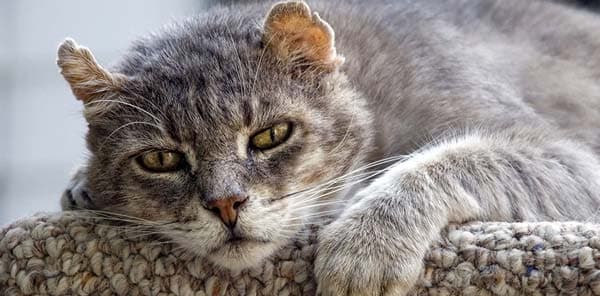
When is a Dog or a Cat Considered a Senior?
At what age is a companion cat or dog considered a senior? It's an easy question to ask but a harder one to answer, as there is no universal number. Moreover, the answer is different for dogs than it is for cats. (And that old adage about one human year being equivalent to seven dog years? Turns out, it holds little validity.)
When your furry BFF does start to show signs of aging, however, you may find that veterinary expenses start to climb. If you find yourself unable to fund an unexpected emergency vet visit, or your pet's chronic condition requires unaffordable treatment, Waggle is here to help.
According to the American Animal Hospital Association (AAHA), there are four primary stages of a dog's life — puppyhood, young adulthood, mature adulthood, and senior — that occur before the end-of-life phase. These stages are not universally applied at specific ages to all breeds, however. Many factors feed into the time you start to apply the word senior to Lucy or Luna and decide to seek out senior-pet veterinary care.
Age, of course is the obvious factor, but species (canine vs. feline), breed, lifestyle, and general health status all factor into the calculation. A 10-year-old cat may be equivalent to 63 in human years, while a 10-year-old dog may be considered anywhere from 56 to 78, according to the American Veterinary Medical Association (AVMA).
Breed plays a very important part in this equation: The larger the breed, the sooner age-related conditions tend to arise. Large-breed dogs may be considered geriatric dogs at 6, possibly even 5 years old; small dogs may not qualify for geriatric care until they are 10 or even 12. It is a given that small breeds live longer, so senior status does not kick in until a more advanced age — and at that same age, a large-breed dog might be looking at a treatment plan for end-of-life care.
The four stages of a dog's life are based on a dog’s maturation and aging process, and each stage requires a different approach to routine care and feeding to give your pet a chance at quality, long-term health. As a tuned-in and caring pet owner, you'll want to start paying attention to some subtle signs of medical issues in order to catch any long-term problems at their earliest stages.
You’ll have no problem acknowledging that Twinkie or Murphy is aging simply by observing his or her face: a salt-and-pepper muzzle and graying fur are obvious outward signs. But you'll want to take note of behavioral changes, as well, which could indicate larger health concerns or painful conditions such as hip dysplasia, arthritis, or other common joint or bone issues. Has your dog's pace become slower, or has she exhibited a decreased range of motion? Has she lost the ability to jump onto the bed or sofa? Has your cat become restless or can't seem to find a comfortable spot on that sofa? Has he lost interest in chasing his favorite feather toy? These are common symptoms of osteoarthritis in cats as well as dogs.
If your dog or cat can no longer spring up to the bed or sprint across the room, be sure to talk to your vet at your pet's next routine wellness exam about arthritis, and describe the change in activity level and behavior. Favoring a limb or having difficulty getting up are also signs that something is going on. An orthopedic bed may help, and a ramp or shallow stairs leading to your bed may be in order, just as an elevated feeding station is probably a good investment.

All these subtle changes in behavior are signs that a pet's organ systems are changing. Your aging dog or cat is more prone now to common conditions like bone disorders, congestive heart failure, diseased tissues, and other illnesses that impact the heart, kidneys, and liver. It is estimated that nearly 50% of pets over age 10 develop some form of cancer. Dogs tend to develop cancer at roughly the same rate as humans, while cats have a somewhat lower incidence of cancer.
As pets age, they experience hearing loss and a decrease in vision, just as humans do. Dogs and cats may even develop cataracts, which can be treated surgically, if you have the inclination and funds. (Because sight and hearing can decline, it's important to teach your dog both verbal and visual commands, so that one is associated with the other.)
These are not the only common signs of disease in cats or dogs as they grow older. Your pet may exhibit some confusion or disorientation (or even wander about the house as if he doesn't know where he is) or, in the case of cats, who are notoriously fastidious groomers, may exhibit poor grooming habits or incontinence issues.
The Senior Pet: Some Subtle Signs of Aging
The AVMA cautions to look for these signs of aging. Is your pet:
- easily disturbed by loud sounds
- exhibiting unusually aggressive behavior
- displaying atypical barking/meowing or less-than-normal vocalization
- showing signs of anxiety or nervousness
- acting confused or disoriented
- prone to increased wandering or walking in circles
- experiencing out-of-the-ordinary house-soiling
- showing changes in sleep patterns
- less interested in playing
- engaged in repetitive, unusual behavior
- unresponsive to voice commands
- more grouchy or irritable than usual
- exhibiting unusual loss of appetite with weight loss?

Examining the Senior Pet ... and Dietary Options
Of course, when you seek veterinary care for your senior pet, the veterinarian will perform a physical examination, checking the physical condition — muscles, bones, joint condition, blood pressure, among other things. The vet will likely ask probing questions to help rule out possible age-related illnesses like heart disease and urinary tract conditions or signs of cancer. Naturally, all the usual systems will be scrutinized: heart, lungs, gastrointestinal system, urinary tract, brain, nerves, lymph nodes, and of course, skin, eyes, ears, and mouth. This is also the time to speak up and alert your vet to ANY changes in behavior. These regular wellness exams are likely to involve more in-depth examination of your senior pet — including blood tests and a detailed oral exam. Your vet will talk to you about common symptoms to watch for and the importance of preventive care, as well, to help avoid long-term issues and keep your pet in optimal health for as long as possible. The vet visit is also a good time to ask about parasites and whether older dogs need proactive treatment to prevent them.
Another sign that the energy and levels of exercise your pet has are waning is weight gain. Just as humans gain weight when they get older, so, too, do pets. This is a key benchmark your veterinarian will want to explore in his or her disease-detection efforts.
During this phase of life, you need to take care that your pet is getting the proper nutrition. Geriatric pets most often require foods that are more easily digested and promote weight loss. Of utmost importance, caloric intake may need to be scaled back. Just like people, when animals expend less energy and engage in fewer activities, they need fewer calories. You should discuss with your vet what foods are recommended to keep calories low — particularly fat calories — while making sure anti-aging nutrients remain high. Your veterinarian may also recommend a food with glucosamine added to help improve symptoms of osteoarthritis.
It is estimated that over 50% of dogs are considered obese and suffer from obesity-related conditions. Hence, it is of utmost importance to keep your dog at an ideal body weight or, if Snuffy is already overweight, encourage weight loss to help prevent disease and maintain his ability to remain active. It is worth noting, too, that obesity is a risk factor for diabetes in dogs, and if an animal develops type 2 diabetes, it is likely you, the pet parent, who will have to learn to administer insulin.
Diabetes is among the seven most common ailments in senior cats, as well, according to PetMD. Other common diseases in cats include chronic kidney disease, heart disease, hyperthyroidism, dental disease, and cancer. Excessive thirst is one of the symptoms of diabetes and kidney disease, so alert your vet if you find you are filling the water bowl more than usual.
Dr. Lacie Lee at Cat Care Center has put together some in-depth information for senior cat owners here:
Additional Care for Senior Animals
We've mentioned that there are some small changes you can make around the house for a senior pet — like adding ramps or stairs for getting up to the bed or sofa; buying a raised feeding station for water and food; purchasing an orthopedic (and perhaps slightly heated) bed; looking into changing food and investing in supplements or vitamins, as recommended by your vet.
Additionally, older animals are more sensitive to temperature changes, and that may mean thinking about a cuddly sweater or coat for outdoor walks in chilly weather and a cool spot for snoozing in the heat and humidity. (It's a well-observed fact that animals, if hot, seek out the cool tile of the bathroom floor — and some even jump into the bathtub, if they're able, to snuggle against the cool porcelain.)
Dental care for your senior dog is paramount, too. In fact, the savvy pet parent likely will have introduced dental hygiene when the animal was younger. Getting an animal accustomed to tooth brushing is imperative. There are many different types of doggie toothbrushes (even a little finger cap with soft rubber prongs), and there are very tasty toothpastes (peanut butter, anyone?) with enzymes for cleaning, so you can get an animal to actually look forward to tooth brushing. It's never too late to start, though, even if you've never brushed your pet's teeth before — or if you adopted a senior animal and need to start now.
Why? Well, it's not because animals get cavities the way humans do. The more nefarious culprit is periodontal disease. Left untreated, dental disease in dogs can be a breeding ground for other problems. It can cause chronic pain, lead to infection (bacteria can get into the bloodstream from decaying teeth), and ultimately lead to a poor quality of life. Older cats may simply stop eating if their teeth or gums hurt. And putting an older cat or dog under anesthesia for dental cleaning and extractions is not an ideal scenario; the preferred strategy is to keep your pet's teeth clean in the first place. Proactive care will nip these possible problems early on. (Check out the Veterinary Oral Health Council for information about dental care — including recommendations for food, tooth-cleaning supplies, and even treats that help fight tartar build-up.)
Old age is not a disease, it's merely a phase of life and can remain a healthy one as your dog or cat advances into those senior years. In 2019, The New York Times' well-known health columnist Jane Brody wrote about senior dogs and summed up the importance of keeping them healthy: "In caring for older dogs, experts urge owners not to assume that changes in behavior result from age and nothing can be done to help them. Veterinary science has taken many leads from human medicine that can enable aging dogs to live fuller, happier lives."
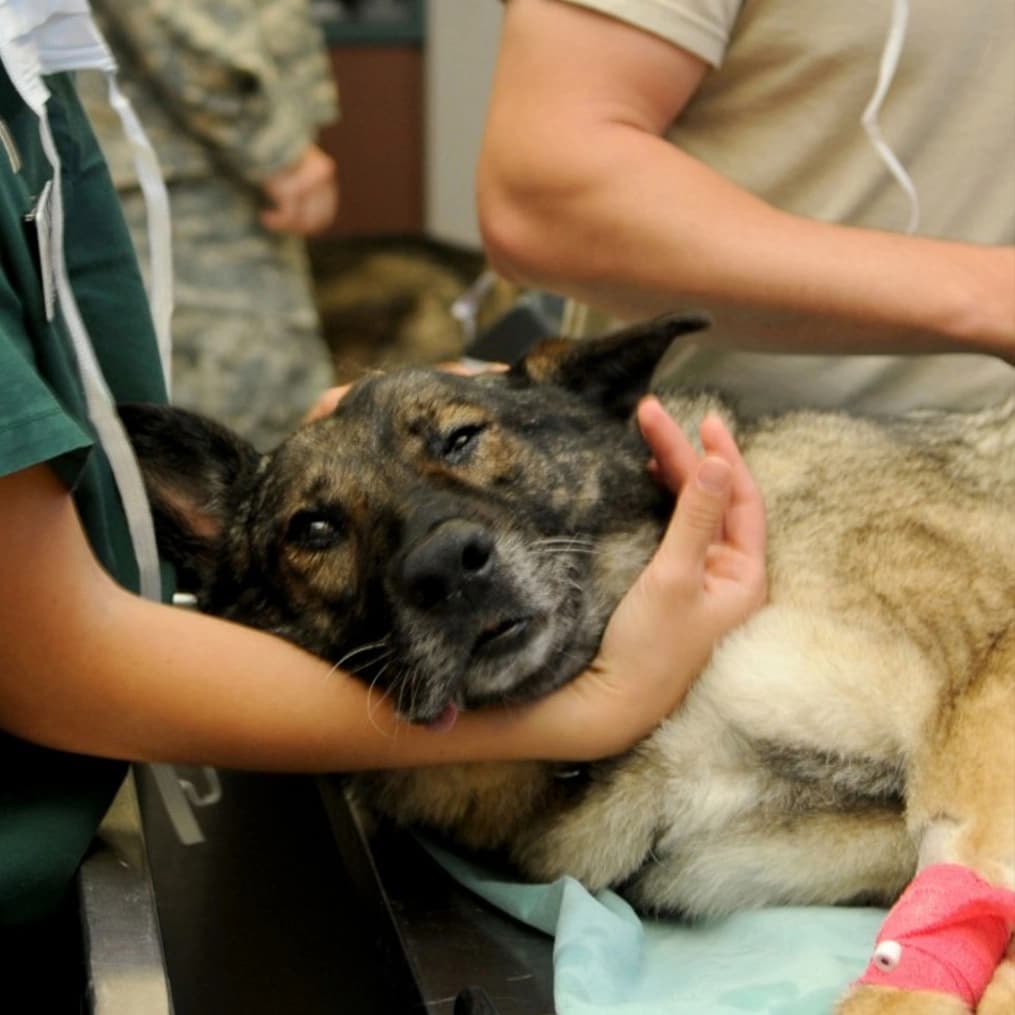
Where to Turn When "Stuff" Happens to Your Senior Dog or Cat
But, of course, "stuff happens" — and sometimes that "stuff" is a medical emergency that has not been budgeted for. Think of Waggle as your secret supporter!
Posting a crowdfunding campaign for your pet on Waggle gets your sick or injured furry family member in front of a multitude of like-minded animal lovers who are eager to help a desperate and financially strapped pet owner. Whether you need $1,800, as 8-year-old Goldendoodle Oakley did, to treat acute canine kidney failure, or a mere $325 for feline dental cleaning and extractions, as Boots, a 14-year-old Domestic Shorthair, needed, Waggle is here to help you get your campaign up and running, and our sponsors, partners, and supporters are here to help you take care of your pet.
In Oakley's case, 27 donors helped raise the money he needed, and Waggle partner Eli's Fund matched 50% of each donation, getting Oakley to the finish line quickly! Oakley's happy parents wrote this update: "Oakley is home now and doing much better! I am so thankful for the help and love we received! Without your help, none of this could have been possible."
In Boots' case, eight different donors kicked in to achieve the $325, and Boots' pet parent reported back to us: "Thank you! Thank you! Thank you!!!! I REALLY appreciate each and every donation! You have made it possible for Boots to get the care he needs!!!!"
Read about other pet crowdfunding success stories — including senior pets Frumpkin, Mekah, Daisy Mae, and Allee, among the many "old-timers" that Waggle, our sponsors, and partners have been able to help.
On the other side of the giving coin are our wonderful, dedicated donors, and you may want to think about becoming a donor yourself! Particularly if Waggle has helped you, consider coming to the aid of another frantic pet parent. You can donate directly to any Waggle campaign and know that your money is going to help that particular animal. Or you can donate to Waggle's FurEver Fund, which enables us to help so many other pets.
Please consider donating to Waggle … so we can help other needy animals!
Learn more about other trending pet topics
- Financial assistance for emergency vet bills
- Help with emergency vet bills for low income families
- Crowdfunding solutions for your pet's emergency vet bills
- What to know about having pets in the military
- The benefits of companion pets for seniors and retirees
- Which pets are good for seniors and retirees
- Disaster preparedness for your pets