
Donors
How to recognize Signs of Carbon Monoxide Poisoning In Your Pet
Your pet may be affected by CO poisoning before you are. Discover the symptoms to watch for in dogs, cats, and birds, and the steps to take in an emergency.
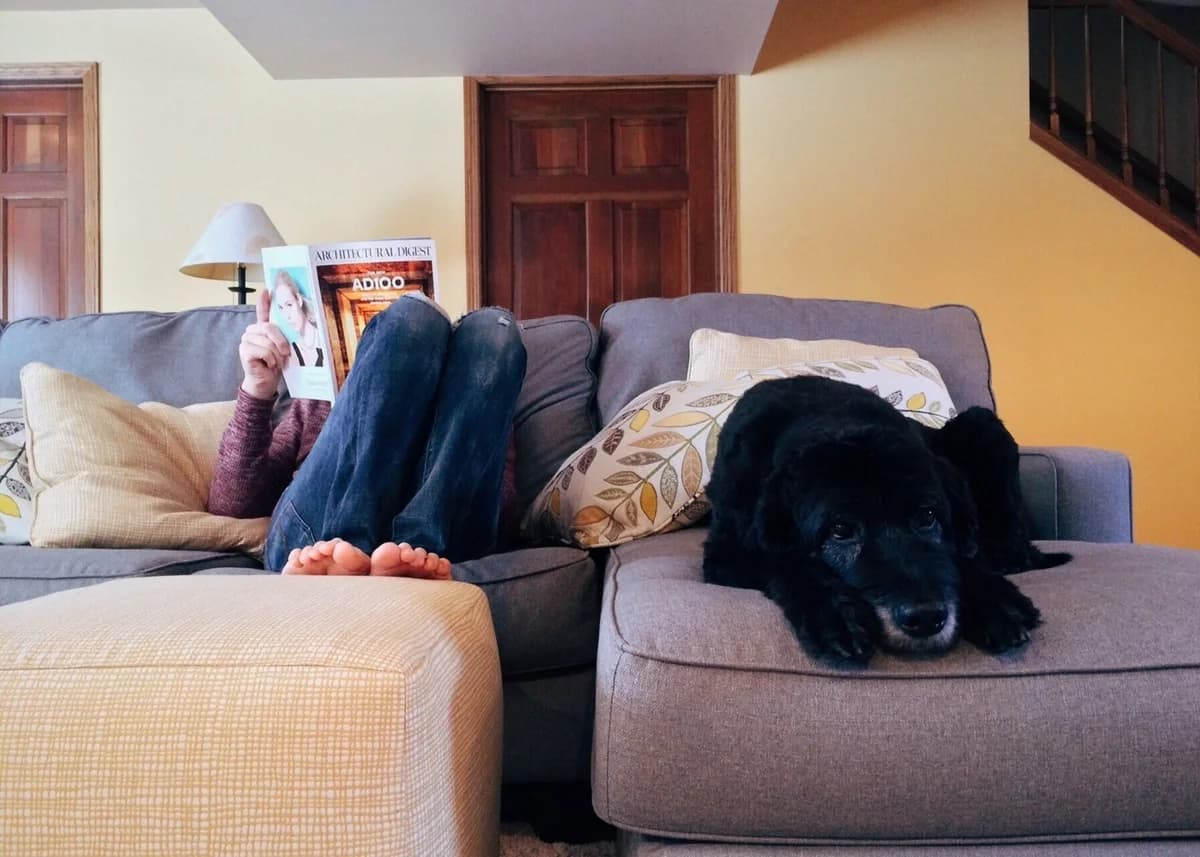
Around 90 million households in the U.S. include pets—that's 70% of all homes. We feed our pets well, keep them away from traffic, and shower them with love. But there's one threat most pet owners never think about: carbon monoxide (CO). Colorless, odorless, and completely invisible, it's a danger that can affect your pet before you even know something is wrong.
Why pets are especially at risk
Carbon monoxide is dangerous to all living beings, but pets are particularly vulnerable for two reasons: their smaller body size and their behavior. A smaller body means CO accumulates to harmful levels in the bloodstream faster than it would in a human adult. And behaviors like curling up next to a heater or fireplace can put pets in direct proximity to a CO source for extended periods. And one more important factor: according to the National Carbon Monoxide Awareness Association (NCOAA), most standard home detectors are calibrated to protect humans and won't sound an alarm unless CO levels reach 70 ppm or higher—a concentration that can already be fatal to small animals.
Signs of CO poisoning by pet type
Birds are especially vulnerable to CO poisoning due to their high metabolism, small body size, and rapid breathing rate. Symptoms to watch for include:
- Swaying or loss of balance
- Weakness or falling from their perch
- Sudden unconsciousness
- Death
Cats may show more varied symptoms, which can easily be mistaken for other illnesses. These symptoms include:
- Unusual sleepiness or lethargy
- Erratic or disoriented behavior
- Dizziness or stumbling
- Vomiting
- Bright red nostrils
- Seizures
- Unconsciousness
Dogs are often the first in a household to show signs of CO poisoning, and their behavior can serve as an early warning to their owners. Watch for:
- Excessive panting or yawning
- Stumbling or unsteady movement
- Sleepiness at unusual times
- Erratic behavior
- Tail tucking
- Sweaty paws
- Vomiting
- Weakness or unconsciousness
What to do if you suspect CO poisoning
If your pet is showing any of the signs above, act quickly—especially if multiple pets or family members seem unwell.
- Get everyone out immediately. Remove all people and pets from the home without delay.
- Call 911. Once outside, contact emergency services, your fire department, or your utility company to inspect your home for a CO leak.
- Contact your veterinarian or an emergency animal hospital right away. Bring your pet in as soon as possible. Your vet will likely take a blood sample, run diagnostic tests, and may administer oxygen therapy and fluids.
- Don't return home until a qualified professional has confirmed the property is safe.
- Support your pet's recovery. Keep them calm and relaxed, and monitor for any ongoing or new symptoms. Contact your vet immediately if anything changes.
Protect your family—furry friends included
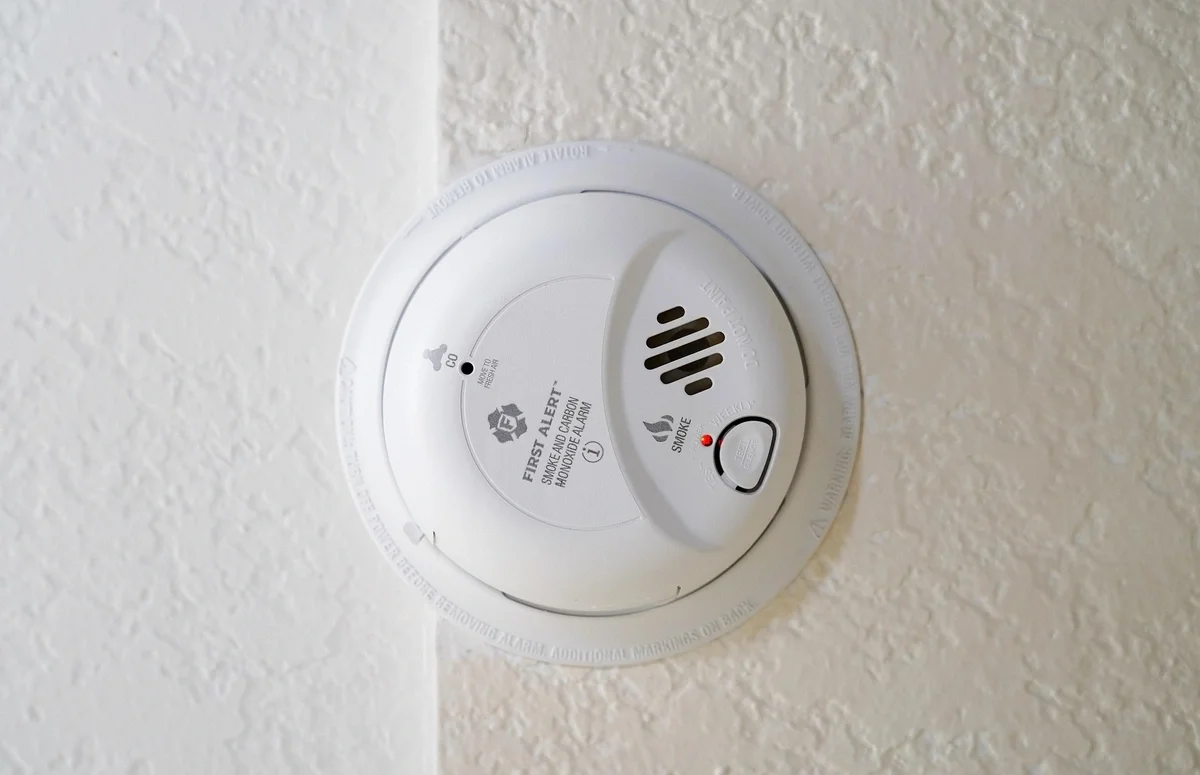
When shopping for detectors, look for models that alarm at lower thresholds than the regulatory minimum. Placement matters, too. CO can concentrate near the floor, so consider placing detectors at different heights throughout your home.
Beyond that, have your furnace, water heater, and any gas appliances professionally serviced on a regular basis. If you use a fireplace or wood stove, make sure your chimney is clean and well-ventilated. And always, always monitor your pets for unusual behavior. They may be telling you something that could not only help save their life, but yours, too.
_____________
Information for this article was sourced from the National Carbon Monoxide Awareness Association (NCOAA), whose mission is to drive a comprehensive public conversation around carbon monoxide poisoning and help survivors recover to lead happy, healthy lives. Learn more at ncoa-usa.org.