
Animal Welfare Organizations
Challenges Facing Cat Rescuers and a New Solution to Save Lives
Tails from the frontlines: an interview with Stacy LeBaron, cat rescue advocate and host of the Community Cats Podcast.
Tails from the frontlines: an interview with Stacy LeBaron, cat rescue advocate and host of the Community Cats Podcast.
Animal welfare groups have faced a whirlwind of challenges since Covid hit. Stacy LeBaron knows these painful struggles well. She's worked on the frontlines of cat rescue for more than 20 years and interviews renowned cat overpopulation and care experts on her Community Cats Podcast.
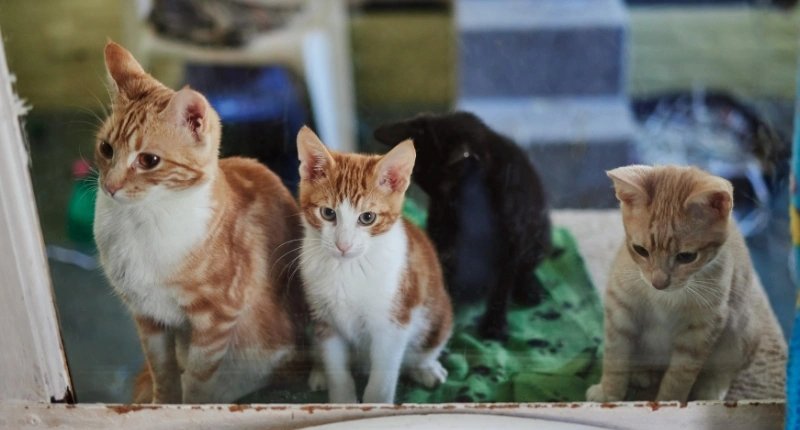
The pandemic pendulum has swung from empty shelters because so many dogs and cats were adopted -- to animals now piling up in shelters and foster homes because adoptions are down. Many rescues say so are their numbers of volunteers, staff, and donations.
"Many organizations are operating with limited intake," Stacy says. "They're not able to always assist the cats at the levels that they were before. We're facing a looming potential recession. We have inflation stress. So, we've got economic issues going on."
Another problem, in some parts of the country, getting animals medical care, spayed, or neutered, can be difficult.
"One of the primary issues right now is a veterinarian shortage. I never thought I would be faced with this challenge," Stacy says.
Animal Medical Care Conundrum
Industry experts say some veterinarians, vet techs, and employees left their jobs when Covid hit and never returned – resulting in ongoing staff shortages. Meanwhile, animal adoptions and ownership surged. So, there's a supply and demand issue that isn't forecasted to improve.
A study by MARS Veterinary Health found "nearly 41,000 additional veterinarians will be needed to meet the needs of companion animal healthcare by 2030."
Some pet guardians gripe it's challenging to get a veterinary appointment for just their one animal. But when you're a rescue struggling to get dozens, hundreds, even thousands of animals medical care, spayed or neutered, that becomes a crisis.
"The private practice veterinarians have had to cut back because they were a six-veterinarian practice, and now they're down to three veterinarians," Stacy says. "Some nonprofit clinics have had to cut back on their capacity, and rescues are feeling that crunch."
Inflation has also hit many veterinary clinics that have had to raise prices to stay afloat and keep the lights on.
The stress veterinarians endure has many worried fewer students will pursue careers in the field. The profession has a high suicide rate, and veterinarians often face tremendous loan debt after graduation.
The MARS study found that "even with the new veterinary graduates expected over the next 10 years, a shortage of nearly 15,000 veterinarians will likely still exist by 2030."
Another study by Banfield Pet Hospital reveals “an estimated 75 million pets in the U.S. may not have access to the veterinary care they need by 2030."
A shortage of veterinarians puts public health and animals at risk. Even basic care, like spaying and neutering, can save lives.
"Spay and neuter is a must-have. It's a priority," Stacy says.
Why Spaying and Neutering Saves Lives
 If one unneutered male cat gets out looking for love and finds an unspayed female cat, their brief encounter under a starry sky can start a deadly cycle.
Two months later, there are six more unplanned kittens in the world. If that mother cat and kittens don't have a home, their future is grim. They could be picked up by animal control and euthanized. If they live outdoors, they face starvation, freezing temperatures, and are likely to be injured or killed by a car.
"There's a lot of pain and suffering from these cats having kittens. 75% of kittens born outside don't make it through the first year. It's a travesty," Stacy says.
Stacy is working to ensure pet parents, rescues, and trap, neuter, and release groups continue to have affordable access to spay and neuter programs.
"I worry about them getting frustrated," Stacy says. "They call one veterinarian, and that veterinarian says, 'Oh, my waitlist is six months long.' It's heartbreaking to hear that."
Pawsitive Solutions: the Community Cat Fund
To make sure spay and neuter resources remain accessible, Stacy and the Community Cats Podcast joined forces with Waggle.org to create the Community Cat Fund.
"I'm very excited," Stacy says. "Waggle has stepped forward and acknowledged that this is important."
The fund helps people and groups pay to spay or neuter cats and community cats.
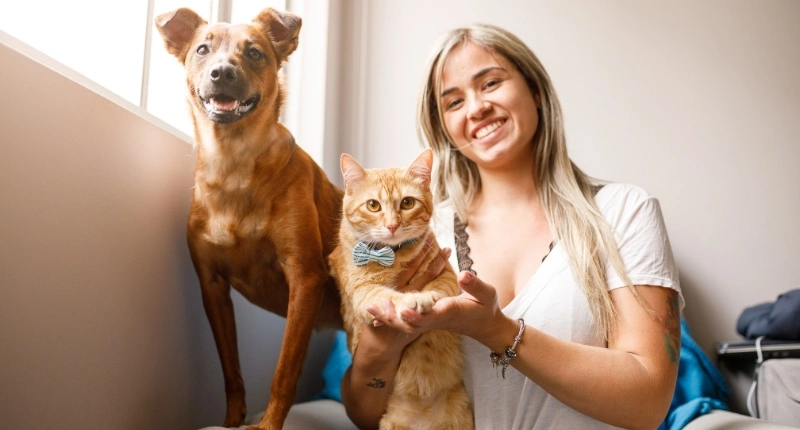
"We are thrilled to start this critical program," says Steve Mornelli, the CEO and founder of Waggle. "This fund allows cat lovers to book surgery appointments at low costs clinics and even private veterinary hospitals that may be more expensive."
Stacy's mission is to give people the knowledge and resources to turn their passion for cats into action. If a cat parent, rescue, or trap and release group faces spay-neuter financial challenges, she says: don't give up! Check out the fund.
"I'm trying to give anyone who wants to help cats in their community the assistance they need to create a connection with cats," Stacy says. "There are so many obstacles that I never want money to be an issue."
Click here for information on how to apply for a matching grant from the Community Cat Fund.
About Stacy LeBaron
Stacy LeBaron has been involved in animal welfare for over 20 years.
She currently hosts a weekly podcast called the Community Cats Podcast, where she interviews nationally and internationally renowned experts helping with the problem of cat overpopulation and welfare.
She has recorded almost 500 episodes. In addition to the podcast, Stacy is committed to the model of virtual education by holding three weekend conferences, the Online Cat Conference, The United Spay Alliance Conference, and the Online Kitten Conference. She hosts day-long sessions covering specific topics around Feline Leukemia, Behavior, Diversity, Lost and Found, and Fundraising. In 2020, she partnered with Neighborhood Cats to hold monthly virtual trapper training and certification workshops to better introduce individuals to best practices for trapping community cats.
The Community Cats Podcast also has the Community Cats Grants Program helping small grassroots learn fundraising skills to raise the desperately needed funds for spay/neuter surgeries and match the money raised from the Community Cats Grants program.
This program has assisted over 200 groups.
Before starting the podcast, Stacy served for 16 years as president of the Merrimack River Feline Rescue Society (MRFRS).
An expert in her field, Stacy is a current member of the Shelter Medicine Committee at the Cummings School of Veterinary Medicine at Tufts University, an adviser to the Massachusetts Animal Coalition (MAC), President of the Board for PAWSitive Pantry in Vermont and Massachusetts, Treasurer at the Vermont Humane Federation, Treasurer for the Merrimack River Feline Rescue Society, Treasurer and strategic director at the United Spay Alliance and program administrator for HubCats Chelsea (MA).
She is a past board member of MAC and the New England Federation of Humane Societies. She serves as the current administrative trustee for the LeBaron Foundation. Stacy graduated from Vassar College with a degree in Urban Studies. She now lives in Vermont with her husband.