
Pet Guardians
First-Aid Tips for Emergency Pet Care
Emergencies happen, and in the words of the Boy Scout oath, it helps to "be prepared." When emergencies happen to our pets, they depend on us to be prepared for them. This article will provide tips on giving first aid to your furry family member in case of an accident ...

Emergencies happen, and in the words of the Boy Scout oath, it helps to "be prepared." When emergencies happen to our pets, they depend on us to be prepared for them. This article will provide tips on giving first aid to your furry family member in case of an accident or emergency.

General first-aid tips for pet owners
Whether your four-legged friend is suffering from a minor injury or something more serious, it's essential to act quickly.
Here are some basic first-aid tips for pets to help you through an emergency.
- If the animal is bleeding, apply direct pressure to the wound with a clean cloth. If the bleeding is severe, take Fido or Fluffy to the veterinary hospital immediately.
- If your dog or cat is having a seizure, do not try to restrain the animal. Instead, time the episode, and keep your pet safe from harm until it passes. Then, take the animal to your veterinarian for further evaluation as soon as possible.
- If your pet has been stung by a bee or wasp, look for swelling and redness around the sting site. If the animal is having difficulty breathing, exhibits swelling in the face or throat, or is acting abnormally, call your veterinarian or emergency animal hospital immediately.
- If your furry BFF has gotten into something poisonous, call your veterinarian, emergency animal hospital, or a pet poison control center immediately. The American Society for the Prevention of Cruelty to Animals (ASPCA) Animal Poison Control Center hotline is (888) 426-4435. Be sure to have the poison container with you so the staff can treat your pet accordingly.
By following these first-aid tips, you can help ensure that your pet gets appropriate, and often life-saving, care.
How to create an emergency plan for your pet
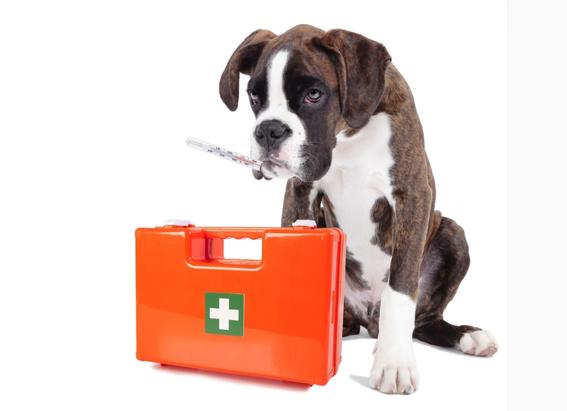 We don't like to think about what could happen if our beloved pet were suddenly injured or became ill. However, being prepared can make all the difference in an emergency. Here are some tips on how to create an emergency plan for your companion animal:
- Know your local animal hospital's address and phone number, and keep it handy. If you're out of town, find the number of the nearest animal hospital or emergency veterinary clinic.
- Make sure your pet wears a collar with ID tags that include your current phone number. It's also a good idea to have dogs and cats microchipped, so if they do get lost, the owner can be contacted quickly.
- Put together a first-aid kit for your pet, including gauze, adhesive tape, scissors, non-latex gloves, and hydrogen peroxide. You might also want to include a book on first aid for pets.
- Keep copies of necessary paperwork, like Bowzer's or Buffy's medical records and vaccination history, in a safe place. If you need to evacuate in an emergency, you can grab them quickly and take them with you.
Pet disaster preparedness
When disaster strikes, we take care of our families, and our pets are family, too! Here are some tips to help you get started on pet disaster preparedness.
- Create a pet emergency kit, including items like food, water, bowls, leashes, collars, ID tags, medications, and first-aid supplies.
- Ensure your dog or cat is microchipped and the information on his or her tag is up to date.
- Know where you will go in the event of an evacuation; this could be a friend or family member's house, a pet-friendly hotel, or an emergency shelter. Call ahead of time to make sure the shelter accepts animals.
- Practice evacuating with your four-legged family member; it won't be as stressful on your pet if the process is familiar.
How to properly administer first aid
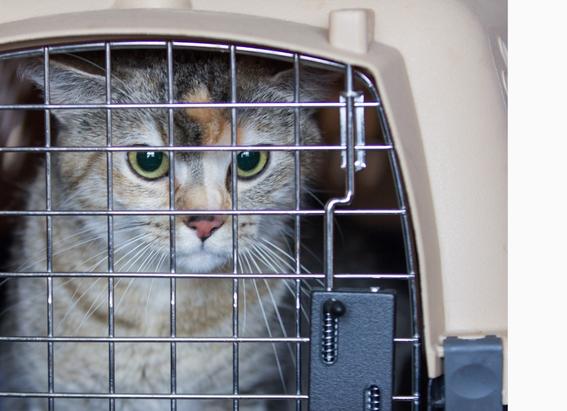 When it comes to emergency pet care, the first thing you should do is administer first aid. While properly administering first aid to a frightened dog or cat can be tricky, with a bit of knowledge and the right supplies, you can ensure that your companion animal receives the care he or she needs in a timely manner.
Here are some tips on how to properly administer pet first aid in an emergency:
- First, assess the situation and make sure that it is safe for you to approach the animal. If there is any danger present, remove yourself and your pet from the immediate vicinity before proceeding.
- Once you have determined it is safe, calmly assess the animal's condition. Look for any apparent injuries and note any pain or discomfort your pet may be experiencing.
- If the dog or cat is bleeding, apply direct pressure to the wound with a clean cloth or gauze pad. If the bleeding is severe, wrap the area tightly with an elastic bandage or string to help stop the bleeding.
- If your pet is having difficulty breathing, check the airway for any blockages, and clear away any obstructions. If the animal is not breathing, begin cardiopulmonary resuscitation (CPR) immediately, and clear the airway by gently lifting the head and extending the neck. If your pet is unconscious or unresponsive, check for signs of life, including breathing and a heartbeat.
- Once you have stabilized your pet, transport the animal to the nearest emergency veterinary hospital.
Treating your pet for poisoning
 If your cat or dog has been poisoned, contact an emergency veterinarian or pet poison control center immediately. The American Society for the Prevention of Cruelty to Animals (ASPCA) Animal Poison Control Center hotline is (888) 426-4435. You need to be able to tell them what harmful substance your pet has ingested so they can tell you the best course of treatment.
Keep in mind that certain foods, like chocolate or raisins, are harmful to animals. In the case of food poisoning, inducing vomiting is often a quick way to eliminate the toxic effects of these substances. However, with chemicals, inducing vomiting can actually cause more harm.
If your pet has been exposed to poison through the skin, wash the area with mild soap and warm water immediately. Be sure to rinse all of the soap off, and don't let the animal lick the area or drink the bath water. Again, contact your veterinarian or animal poison control center as soon as possible.
Once you have treated your dog or cat for poisoning, monitor the animal closely. Watch for signs of vomiting, diarrhea, or excessive thirst. If your furry friend shows any of these signs, contact the vet immediately.
Treating your pet for choking
If your pet is choking, acting quickly and calmly could be life-saving. First, try to gently dislodge the object that's causing the choking. If that is unsuccessful, call your veterinarian or local emergency animal hospital immediately.
In the meantime, you can try performing the Heimlich maneuver. To do this:
- Stand behind your pet, and place your hands around the waist.
- Make a fist with one hand and place it below the animal's ribs.
- Use your other hand to grab your fist and thrust upward and inward. This maneuver may dislodge the object and allow your pet to breathe again.
If you cannot dislodge the object or the animal loses consciousness, take your pet to the vet or emergency animal hospital immediately.
 Treating your pet for open wounds
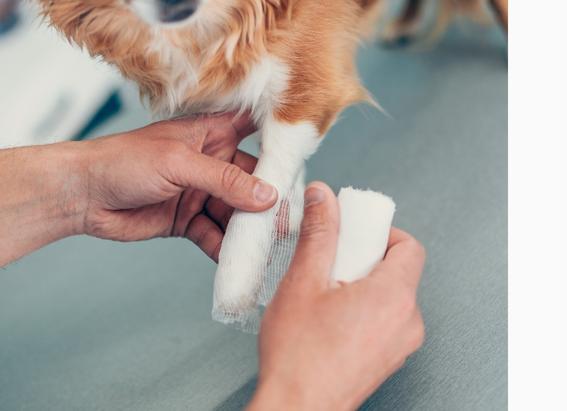
If your pet has an open wound, clean and treat the wound as soon as possible. Otherwise, an infection could develop. Here are some tips for cleaning and treating open wounds on a dog or cat:
- Clean the wound with mild soap and warm water or a sterile saline solution.
- Place a clean gauze pad over the wound, and secure it with self-adhesive medical tape or vet wrap.
- Take your pet to the animal hospital as soon as possible so a veterinarian can assess the wound and ensure it doesn't require further treatment.
Treating your pet for seizures
If your pet experiences a seizure, it can be a frightening experience for both of you. However, there are a few things you can do to help your pet through it.
- Try to stay calm. Animals can sense your stress, but if you remain calm your pet will feel more relaxed.
- Gently move your pet away from any objects or furniture that could cause injury in the event of a fall.
- Place a towel or blanket under the animal's head to keep him or her from getting hurt.
- Finally, give your pet some space, and let the seizure run its course. If you are concerned about your four-legged friend's health, consult a veterinarian.
First aid for dogs
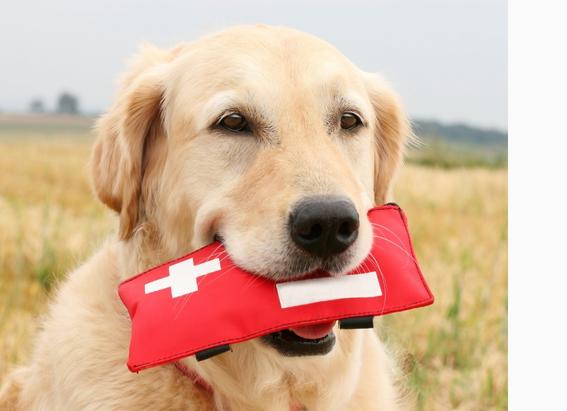
Many of the tips mentioned previously apply to both dogs and cats, but here are a few tips for administering first aid specifically for dogs.
- If your dog is vomiting, withhold food for 12 hours, and give small amounts of water every few hours. If the vomiting continues, contact your veterinarian.
- If your dog has an eye injury, do not let him or her rub it or paw at it. Instead, flush the eye with a sterile saline solution or clean water.
- If a snake bites your dog, try to keep your pet calm and still. Then, transport the animal to a veterinary clinic as soon as possible for antivenom treatment.
First aid for cats
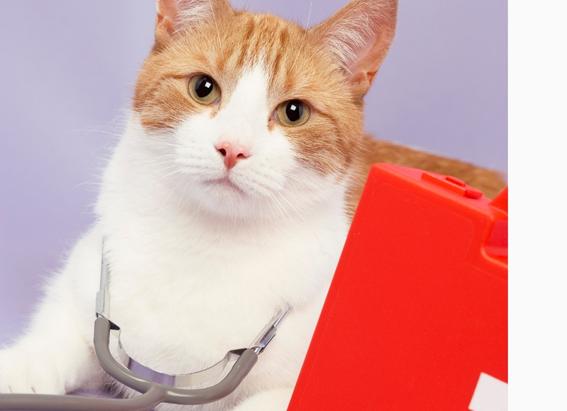
If your cat has been in an accident or is injured, it's essential to know how to provide first aid. Here are some tips on providing first aid for cats:
- If the cat is bleeding, apply direct pressure to the wound with a clean cloth. If the bleeding is severe, take him or her to the vet immediately.
- If your cat has a broken bone, splint the limb using a broom handle or rolled-up newspaper. Stabilizing the bone will help prevent further injury. Then, take your feline BFF to the vet as quickly as possible.
- If your cat is in shock, use a blanket to keep him or her warm and quiet; then transport the cat to the vet right away.
What NOT to do when giving first aid to your pet
When it comes to emergency pet care, you don't want to make things worse. So here are four things to avoid doing when providing first aid to your pet:
- Don't try to force food or water on your pet.
- Don't administer any ointment or medication without first checking with your veterinarian.
- Don't panic — this will only make the situation worse. Instead, try to remain calm and focused.
- Don't neglect your own needs in an emergency situation. If you need medical care, try to find someone else who can take care of your pet while you seek treatment.
When to take your pet to a veterinarian
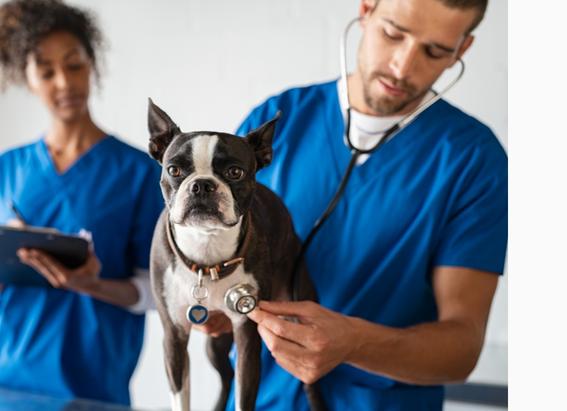 When it comes to our pets' health, it's always better to be safe than sorry. If you're ever unsure whether your furry family member needs to see a vet, call the veterinary clinic and ask. The staff can assess the situation and tell you if Boris or Buffy should be evaluated in person. Better to have a false alarm than wait too long and risk your pet's health.
If your pet is injured or becomes ill, knowing what to do in an emergency can mean the difference between life and death. With a bit of knowledge and some basic supplies, you can be prepared to handle many emergencies until you can get the help of a veterinarian.
And if you find yourself in need of funds to help cover the cost of emergency veterinary care, we at Waggle are here to help. We are a pet-dedicated crowdfunding site with the aim of ensuring pets receive the medical attention they need. That's what Waggle is all about: Keeping pets and their relieved families together. Creating happy endings.