
Donors
Understanding Kitten Season: The Hidden Impact on Animal Shelters
"Kitten Season" is an annual surge from spring to fall where a massive influx of newborn kittens overwhelms animal shelters' space and resources. This cycle is driven by pet overpopulation and unspayed cats, leading to a critical need for community intervention.
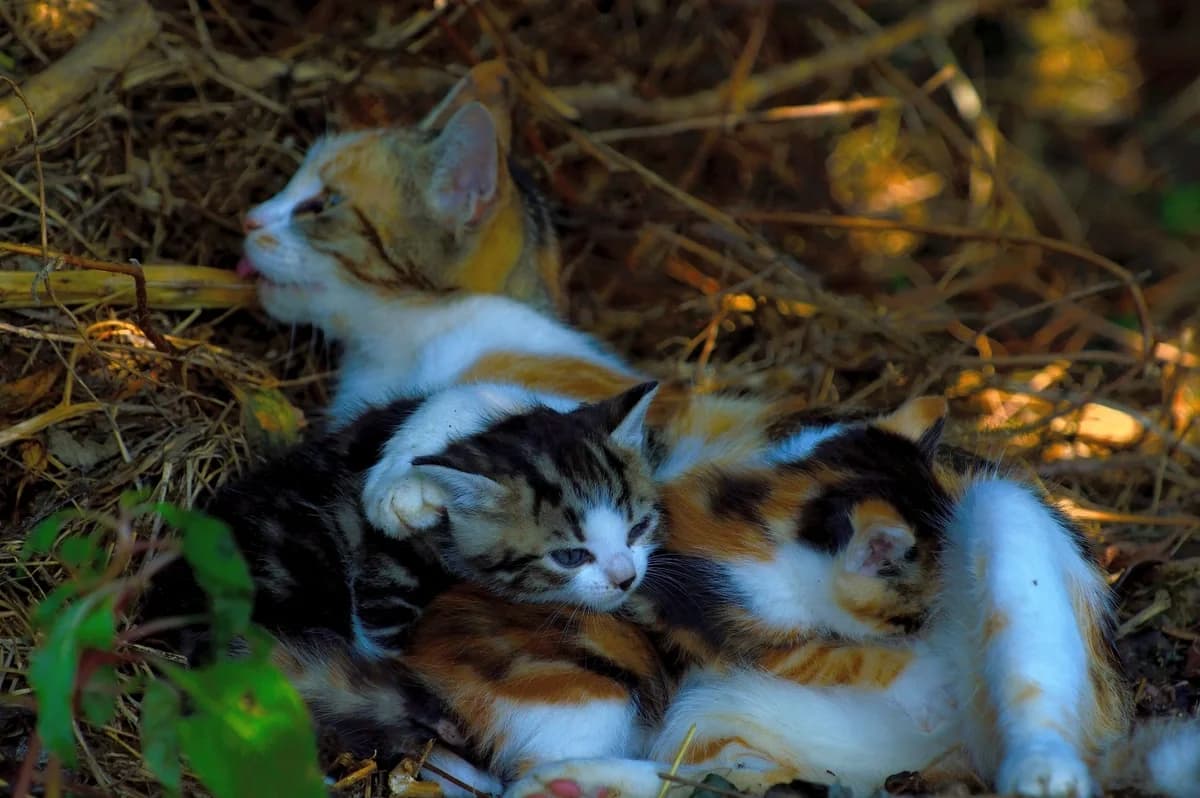
Every spring, animal welfare organizations across North America find themselves faced with the same issue. As the weather warms and daylight hours increase, cats begin reproducing at a much higher rate, resulting in a surge of newborn kittens flooding shelters, rescues, and communities.
This annual phenomenon is known as kitten season—and while it may sound adorable, it presents some serious challenges.
Kitten season typically runs from early spring through late fall, peaking between April and July. During this time, unspayed female cats give birth to multiple litters, often just weeks apart. A single cat can have two to three litters per year, with four to six kittens per litter. That means one unspayed cat can lead to dozens of cats within just a few years.
While this cycle is natural, today’s urban environments—and growing stray populations—make its impact much more intense. For shelters and rescue organizations, kitten season is the busiest—and often most difficult—time of year.
Shelters can fill up quickly as litters arrive day after day, stretching space beyond capacity. Kittens require intensive care—from frequent feeding to medical support—which puts pressure on already limited resources. Very young kittens, especially those without their mothers, need constant attention—something many shelters aren’t staffed to provide at scale. And when resources run thin, shelters are forced to make incredibly difficult decisions.
At the heart of kitten season is a broader challenge: Pet overpopulation.
Many kittens are born to unspayed outdoor cats, stray or feral populations, or pets that haven’t been fixed. Without intervention, the cycle repeats year after year—impacting animal welfare, local resources, and communities at large.
Public education about this issue is key. The more we can raise awareness about the small yet simple steps individuals and communities can take, the sooner we can get this recurring challenge under control.
How can you help?
One of the most effective ways to reduce strain on shelters is to spay or neuter your pet—and to help spread the word by encouraging friends with intact pets to do the same.
You might also want to consider short-term fostering. Even taking in a kitten for a few weeks can help free up critical space in shelters during peak season.
Check in with your local shelter. These groups are on the front lines of kitten season, providing care, medical support, and safe outcomes for vulnerable animals. And with a little extra help from the community, they can do even more. Do they need supplies? Demand will be high for nursing bottles and syringes, shallow food dishes, and kitten milk replacer (KMR)—a formula designed to safely feed young kittens. When resources are stretched thin, they’re sure to appreciate contributions.
And if you can, support fundraising campaigns for shelters and rescues, either directly or by browsing the campaigns under pets in crisis on the Waggle crowdfunding platform.
Supporting a shelter, sharing resources, helping one animal in need—these individual actions contribute to a larger, community-wide effort that can make a sizeable dent in the problem. Because when it comes to kitten season, no effort is too small—and every bit of support helps create a better outcome for animals who need it most.