
Animal Welfare Organizations
Pet Crowdfunding Without Social Media
Pet crowdfunding, or "petfunding," is an effective way to get the emergency veterinary care your furry friend needs when you may not have the available resources. Discover how you can make the most of your petfunding campaign without the use of social media.

One out of every four pet guardians struggles to find available resources when emergency veterinary bills arise. That's why many turn to crowdfunding — by asking a large number of people to each donate a small amount, you'll soon raise enough money to help pay your furry friend's medical bills.
Crowdfunding has become a popular way to finance all sorts of projects, from films to small businesses, and social media is the most obvious way of sharing a crowdfunding campaign. Over the past few years, online awareness has become synonymous with social media; it's challenging to think of any promotion or online fundraising campaign that would not include Facebook, Instagram, or Twitter. But while social media is an important part of any crowdfunding campaign, it's not the only tool at your disposal.
Perhaps you don't want to share your campaign on social media because of privacy issues. Or maybe you have a limited social media presence and want to reach a broader audience. Don't worry, there are other ways to get the word out about your campaign to raise funds for your pet's medical expenses.

10 Ways to Fundraise Without Using Social Media
Some of the ways that pet owners can seek financial assistance without using social media channels include personal appeals to friends and family, setting up a dedicated website or blog to solicit donations, and creating a crowdfunding campaign on Waggle, or other online donation platforms.
Personal appeals to friends and family
 When seeking financial assistance for emergency veterinary bills, pet guardians should start by contacting friends and family. This is the most personal and direct way of asking for help, and most people are willing to contribute, if they can.
Make sure you are respectful of those unable to contribute and don't put too much pressure on them, however. Be sure to express gratitude to your friends and family who have already contributed, as well.
Here are some other things to keep in mind:
- Give a clear and concise message about why you are raising money and how the funds will be used. Practice a two- to three-minute "elevator speech."
- Be prepared to answer questions about your pet's condition and what kind of treatment is needed.
- Remember that not everyone will be able or willing to contribute, and that's okay. Thank them for listening anyway.
Dedicated websites or blogs
Another option for pet owners seeking crowdfunding assistance is to set up a dedicated website or blog. This can be a great way to reach a larger audience and solicit donations from individuals who may not be part of your personal network. There are plenty of free websites and low-cost blogging platforms available. When setting one up, be sure to include clear, compelling information about your pet's situation and how donations will be used.
Also, don't forget to include personal stories and pictures of your pet to help engage potential donors. As we all know, a picture is worth a thousand words, and it can be helpful for donors to see the animal they are helping. When posting photos on a website or blog, make sure they are high-quality and capture your pet's personality. For examples, check out some of our live campaigns at https://www.waggle.org/pets-in-need.
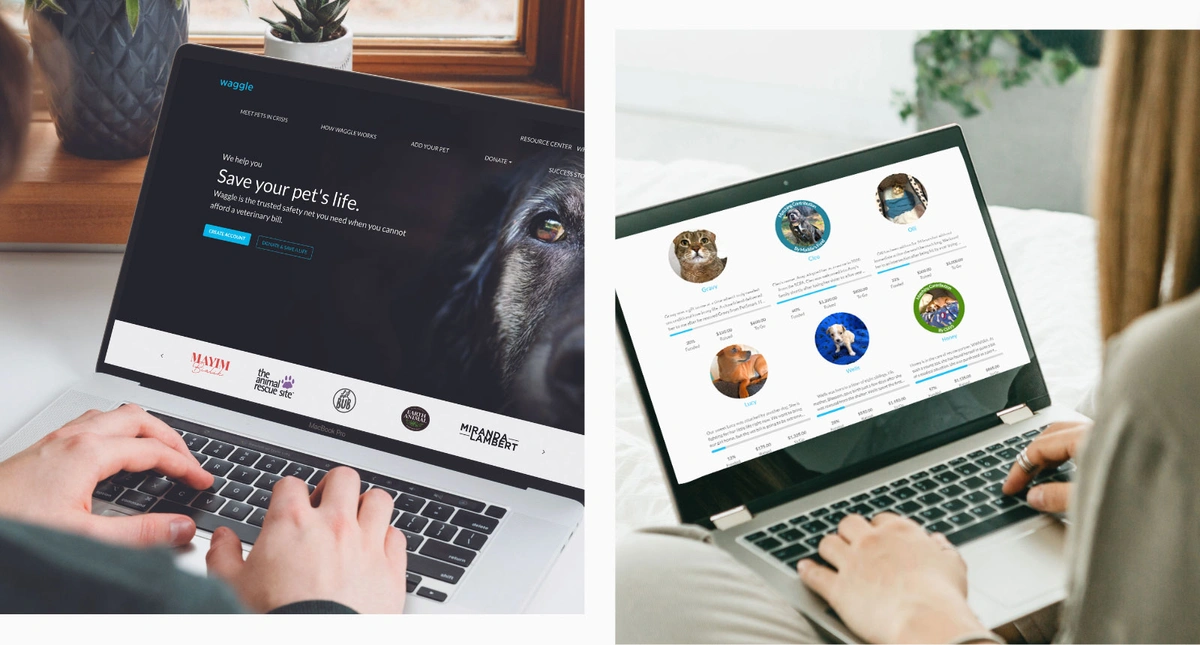
Some inexpensive (and easy) options for setting up a personal blog or website include the following:
- Blogger (also called Blogspot) is a free blogging platform that can be used for personal blogs. Creating personal, time-stamped entries is a great way to share updates about your pet. All you need to do to get started is set up a Gmail account to access the platform.
- Google Sites is another Google-powered platform. Google Sites can be found within your Google Drive account.
- WordPress offers yet another option. While many professional website developers utilize the self-hosted version of WordPress, it can also be used to create a simple, free website. Go to wordpress.com and simply choose a theme, add your content, and you're ready to go.
- Weebly is a popular site-building platform that offers both free and paid plans. The free plan should suffice for most personal websites or blogs.
- Wix is a bit more user-friendly than some other site-building platforms, making it a good option for those who are not as comfortable with technology.
- Pro bono website design is an option if you know a website developer or designer who may be interested in doing a simple site free of charge.
Online donation platforms
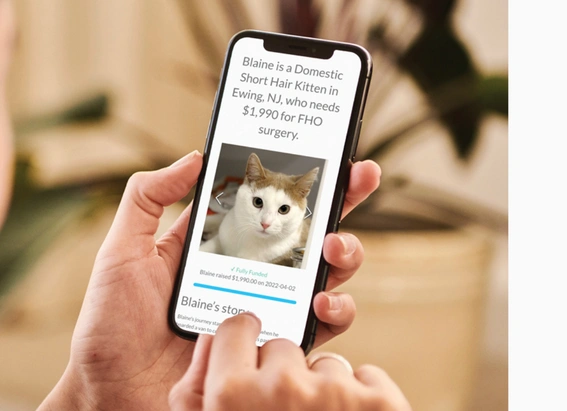 Many online donation platforms, like Waggle.org, allow pet owners to set up fundraising campaigns for their four-legged family members. These platforms provide a broad reach and can be a great way to solicit donations from individuals who may not be part of your network.
When choosing an online donation platform, select one that is reputable and easy to use. Make sure you read the terms and conditions before creating your campaign; the last thing you want is a surprise when it's time for your funds to be allocated for your pet's medical expenses.
One thing to know about Waggle is that it is a registered 501(c)(3) not-for-profit organization. Moreover, Waggle guarantees that 100% of the donations earmarked for a particular pet will go to that individual animal’s care; the money is sent directly to the veterinary hospital, providing total transparency to its donors.
Before committing to a particular platform, ask the following questions to make sure you're fundraising with a reputable organization:
- How are funds allocated and disbursed?
- What percentage of the donation is retained by the organization?
- Will the organization work directly with your veterinary care provider?
- Is there a maximum cap on the amount of funds you can raise?
- What are the terms and conditions of the platform?
Of course, a reputable pet crowdfunding platform would make the answers to these questions easily accessible and available on their FAQ page.
Contacting local news outlets or bloggers for publicity
Often, news outlets are looking for local stories they can feature. Additionally, niche bloggers may be willing to share your campaign with their network. Reach out and tell them your story; many will be willing to help, especially if it's a heartwarming tale (or, tail).
Here are some practical tips for contacting local news outlets:
- Start by using a search engine, like Google, and typing: "local news" plus your location (example: "local news new york").
- Search the news outlet's page for a "contact" button or way to reach the news team.
- In some cases, at the bottom of the page, there will be a link to "submit a news tip" or "submit a story."
- Keep in mind that news media editors are busy; keep the details of your campaign concise and compelling.
- Follow up after a couple of days by sending a follow-up email or contacting the assignment desk. If you can't find contact information on the website, try Google again (example: "new york times assignment desk").
Of course, if you do receive media coverage, don't forget to post it on your own blog or website! But if you're feeling stuck, we have a number of resources available on the Waggle support page.
Fundraising through email campaigns
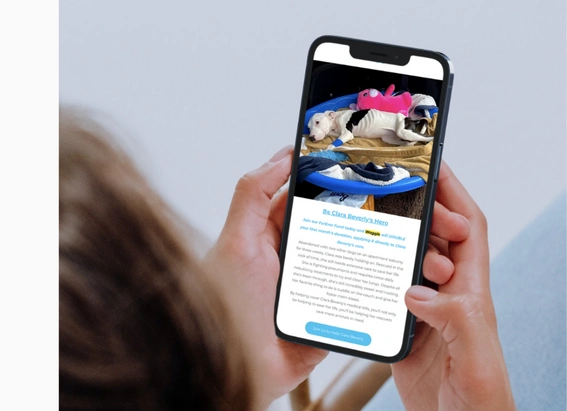 Email is a fantastic way to get your pet's fundraising campaign in front of people. By sending a well-crafted email, you can reach a wide audience quickly and easily.
Here are some tips for creating an email campaign that converts into dollars:
- Create a catchy subject line that will make recipients want to open the email.
- Respect recipients' inboxes and don't spam them. After all, you're asking for donations, not trying to sell them a product.
- Include personal stories and photos to engage potential donors.
- Make it easy for recipients to donate by including a link to your online donation platform.
- Consider using an email marketing service like MailChimp or Constant Contact to create and track your campaign.
- Before emailing your entire list, send yourself a test email, and proofread it well. This can save you the embarrassment of multiple typos or errors with your links.
- Consider setting up a series of follow-up emails as your campaign progresses. These can be used to let people know how close you are to your fundraising goal and update them about the status of your pet.
Fundraising through text message campaigns
Your smartphone is one of the best resources when it comes to fundraising for your pet. With the tap of a few buttons, you can solicit donations from your network via a simple text.
Here are some tips for setting up a text message campaign:
- Create a catchy message that will entice recipients to donate. A memorable message will engage potential donors and encourage them to act.
- Make sure you have permission from the recipients. You can get into trouble with the Federal Trade Commission (FTC) for unsolicited SMS and email messages.
- Be aware that the character limit for a single SMS message is technically 160 characters. However, most modern phones and networks support message concatenation — they split large messages into individual SMS messages (called "segments") and then recreate the large message at the receiving end.
- Include a link to your online donation platform. This will make it easy for recipients to donate without typing in the URL or webpage address. Keep things simple and don't overcomplicate the donation process.
Selling pet-themed merchandise or services online
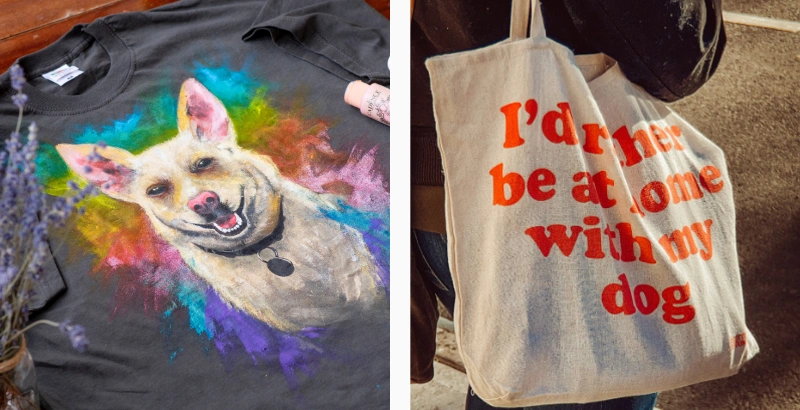
Have you considered selling merchandise to help raise money for your pet? There are several ways you can sell pet-themed merchandise or services online to help raise money for your beloved companion animal. if you're crafty, you can create pet-themed products to sell, or you can partner with a company specializing in pet merchandise. If possible, look for companies that offer print-on-demand services. That way, you do not have to carry the cost of inventory.
Sites like Etsy.com and RedBubble.com make it easy to set up shop, especially if you are creative. Other resources include Zazzle.com, Craigslist.org, and even Facebook Marketplace (Facebook.com/marketplace).
There are endless possibilities when raising money for your pet through online sales, so use your imagination!
Flyers and printed media
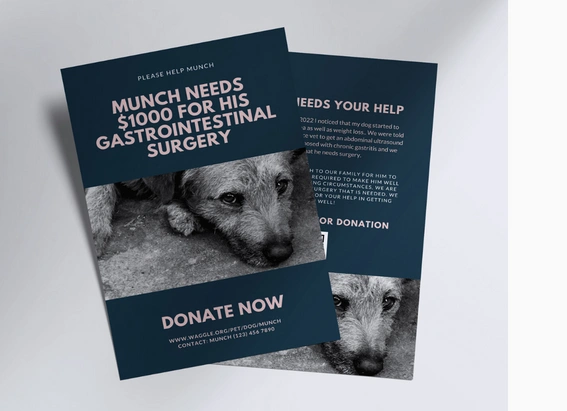 With some planning and effort, printed media can be a great way to reach potential donors and promote your crowdfunding campaign. Well-designed flyers and brochures that are targeted to potential donors can successfully rally community support. However, it is essential to remember these key points to make the most of this fundraising strategy:
- Keep it simple — Keep the design and messaging clear and concise when crafting a flyer or brochure. Too much information can overwhelm potential donors, so focus on the most important details of your campaign.
- Be creative — Use fun, eye-catching visuals to grab attention and communicate your message effectively.
- Make it personal — Include a story or testimonial from a pet owner who has benefited from crowdfunding to illustrate the impact of donations.
- Target your audience — Distribute your flyers and brochures in high-traffic areas where potential donors are likely to see them. You may also want to mail them to individuals or businesses that might be interested in supporting your cause.
- Use QR Codes — Remember the flyers you used to see on bulletin boards with tear-off phone numbers printed along the bottom edge? Well, QR codes are the modern equivalent for the smartphone age. People need only snap a quick photo of your flyer to be directed to your campaign's URL. Several options for generating free QR codes are available online — search "free QR code generator" in your favorite search engine.
Organizing charity event focus groups via video chat
When it comes to raising money for a good cause, there are all sorts of ways to go about it, from traditional methods like bake sales and car washes to more modern approaches like online crowdfunding. One great way to raise money that doesn't get nearly enough attention is holding charity focus groups.
Focus groups are a great way to raise money, because they let donors have their voices heard and their opinions count. And when it comes to raising money for pets, it's pretty easy to find an audience of animal lovers. Focus groups can be used to mobilize or recruit people to help with your campaign. You can set up an online focus group through Zoom or other video conferencing apps. Invite your friends, family and any influencers you might know who could help to spread the word about your pet's needs. Share your story, give them time to ask questions, and then ask them to contribute to your fundraising campaign.

So if you're looking for a unique and impactful way to raise funds for your four-legged BFF, consider a charity focus group. Here are a few considerations to bear in mind when organizing one:
- Allow enough time to promote the focus group. In general, try not to hold impromptu focus groups. Instead, schedule and promote it with a minimum of four days' notice.
- Create a sign-up form or online calendar invite. This will help you track who's interested and ensure that everyone who wants to participate has the chance to do so.
- Prepare your comments in advance. This will help keep the focus group on track and avoid awkward silences.
- Be respectful of people's time. Let them know how long the focus group will run and set an agenda, so people know what to expect.
- Make sure to thank your participants! A simple "thank you" goes a long way in showing your appreciation for their time and effort.
Seeking company sponsorships for your campaign
Corporations and smaller companies get requests all the time, so don't take it personally if you receive "no" for an answer. Many factors go into their decision-making, including whether the company's mission aligns with your request, whether they have the budget to accommodate the request, and whether they have any preexisting relationships with Waggle (many do).
 Here are some things you can do to increase your chances of getting to "yes" when seeking a company's sponsorship for your campaign:
- Do your research. Make sure you understand the company's mission and values and that your request aligns with them. Big corporations are fairly public about their charitable interests; small businesses often reflect the owner’s values.
- Build a relationship. Get to know someone at the company, whether it's through networking, email, or an introductory phone call. For smaller and local neighborhood businesses, make your request more personal and increase the likelihood that it will be considered. Start where they know you already!
- Make it easy for them. Have a specific sponsorship proposal ready to go that outlines the benefits for the company. How will they be recognized? Can you offer them some publicity? Will their name or logo be visible on social media or your website in connection with your campaign?
- Be patient yet persistent. If you don't receive a response within a week or so, follow up with your company contact and refresh your request.
Final thoughts
If you're a pet parent looking for unique and impactful ways to raise money for your furry family member's veterinary bills, consider some of these options. No matter what route you take, however, to increase your chances of success, do your research, tell your pet's story, build relationships, and leverage the power of the Waggle community.