
Donors
Beyond Companionship: The Power of Pet Therapy
Pet therapy is a powerful healing tool. Positive interactions with animals can cause the release of powerful hormones that are associated with happy feelings, reduced pain, and stable emotions.
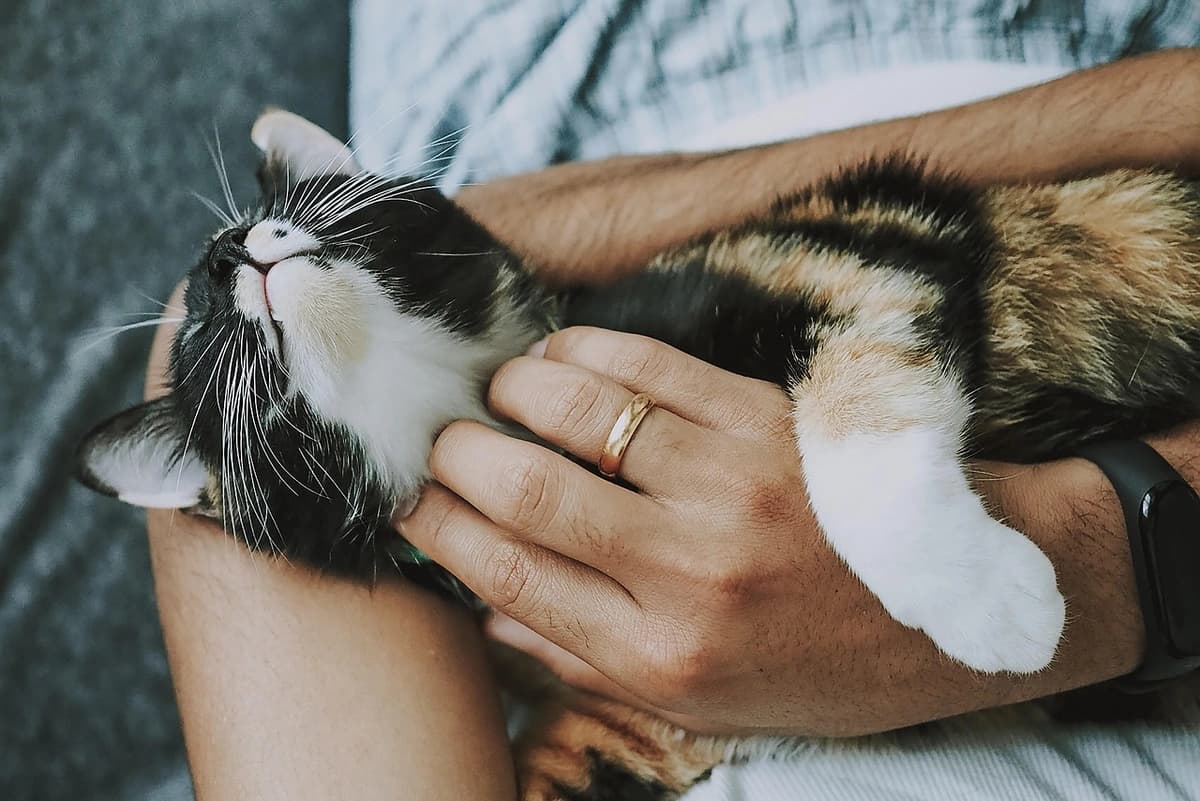
An increasingly popular service, pet therapy is a remarkable practice with a wide range of emotional and physical benefits. Drawing on the human-animal bond, pet therapy, also known as animal-assisted therapy, is a therapeutic method that incorporates animals—often dogs, cats, rabbits, and horses—to achieve specific goals.
Therapy animals reduce levels of cortisol in humans, a hormone responsible for stress, and encourage positive feelings of joy. Pet therapy can be used as a primary or supplemental form of therapy for a variety of conditions. Physical conditions benefit from pet therapy through improved functioning, such as balance or coordination. It can also vastly improve mental health conditions such as post-traumatic stress disorder (PTSD), anxiety, and depression, some of which can be a result of a traumatic physical injury.
But these hardworking pets also require care and support. Therapy animals need regular vet visits and their own emotional support to remain healthy and ready to provide the same comfort and companionship to others.
In this article, we'll explore the profound impact of pet therapy and how we can give back to these extraordinary animals.
What is pet therapy?
Pet therapy is similar to regular therapy, but people interact with a trained animal to reduce stress, anxiety, and depression. Pet therapy has become popular in hospitals, schools, and even airports. Caretakers bring their animals into these settings to cheer up hospital patients, improve student behavior, and reduce stress and anxiety over travel and unexpected changes.
Some people with specific physical and mental conditions may receive individual pet therapy. Children with autism often benefit from pet therapy, particularly with dogs and rabbits. It can help them regulate their emotions, reduce social anxiety, practice their communication skills, and motivate them to participate in other therapeutic activities.
Those suffering from intense mental health conditions such as PTSD also greatly benefit from animal therapy. Sometimes those with severe or unexpected physical conditions benefit emotionally from pet therapy, while in other situations, pet therapy can coincide with physical therapy, improving balance and mobility.
Pet therapy versus service animals
Animals are selected and trained to become therapy pets based on several considerations. The best candidates are calm, friendly, affectionate, and obedient pets. They must also undergo training to ensure they can remain calm and respond to commands even in unexpected situations.
Depending on the type of animal and the organization providing the pet therapy services, animals may need to complete a test or obtain some type of certification.
Unlike service animals that typically live with the individual in need of therapeutic support, therapy pets live with their caretaker and visit those in need.
If you’re interested in pet therapy, there are many national organizations that offer services, including Pet Partners, Alliance of Therapy Dogs, and Therapy Dogs Incorporated. You can also check with local hospitals and schools to see if they offer similar programs.
The benefits of pet therapy
Pet therapy can offer humans physical, social, and psychological benefits. Depending on a person’s condition or need, therapy pets may accompany them to a session for what is referred to as animal-assisted therapy. Let’s take a closer look at the various benefits.
Mental health
Research demonstrates a very clear emotional connection between humans and companion animals. When we interact with pets, our oxytocin levels increase. Oxytocin is a hormone that induces feelings of calmness, happiness, and trust. It’s often called the love hormone because of its role in relationship building. At the same time, pets also cause our cortisol levels to decrease. Cortisol is responsible for stress and anxiety.
In conjunction with traditional therapy and healthy mental health coping mechanisms, pet therapy can reduce anxiety and depression.
Studies show that people with PTSD also benefit from pet therapy as it can help reduce symptoms or the severity of symptoms, provide social support, encourage emotional expression to help them heal from traumatic experiences, and reduce anxiety and depression.
Physical health
The benefits of pet therapy extend beyond mental health improvements and impact many physical ailments as well. Reduced stress and increased relaxation, thanks to lower cortisol levels, lead to lowered blood pressure, a reduced heart rate, and improved cardiovascular health.
Positive interactions with animals can cause the release of other hormones, such as endorphins, serotonin, and dopamine. These three hormones are associated with happy feelings, reduced pain, and stable emotions. They can reduce pain and improve the body’s immune system by lowering the risk of stress-induced ailments and improving the body’s ability to fight infections.
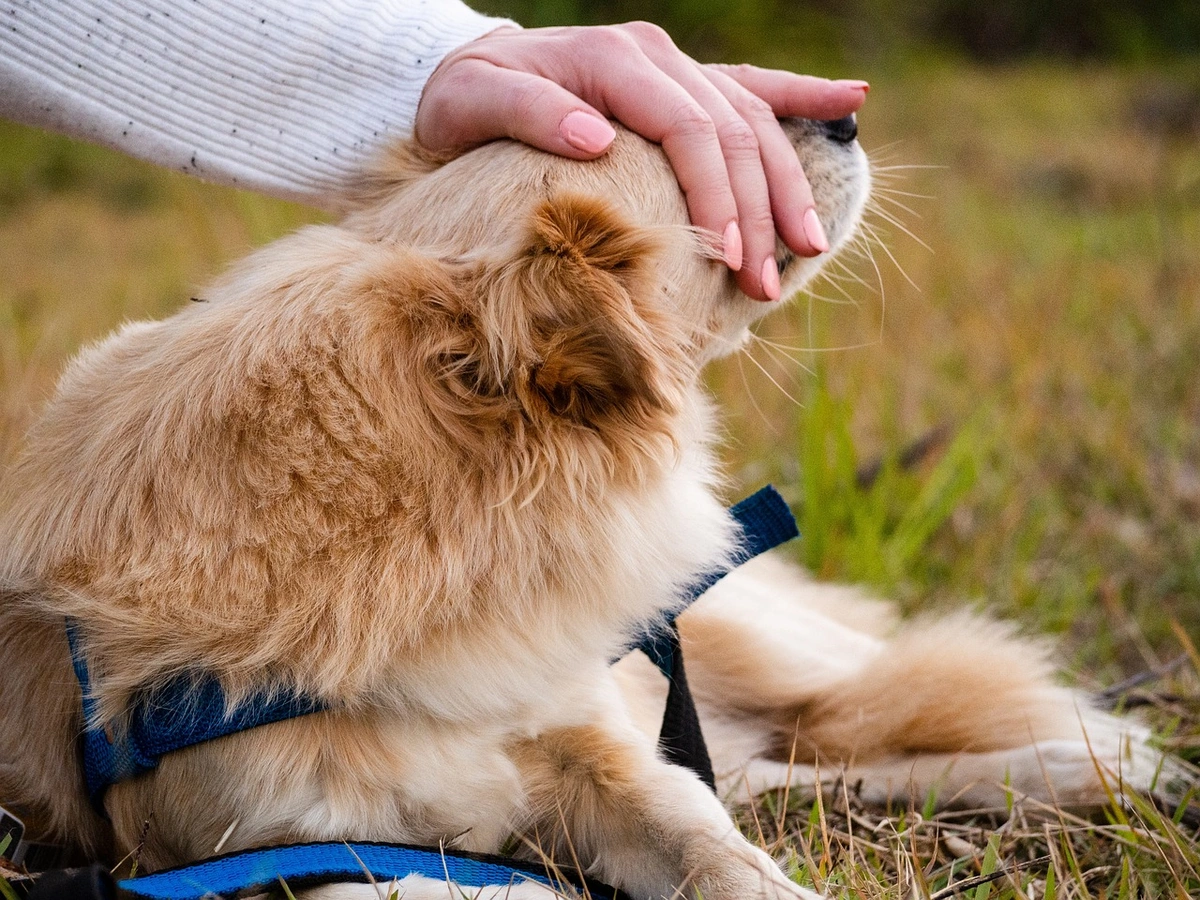
For people recovering from surgery or managing chronic illnesses, therapy pets can motivate patients to engage in physical therapy. Walking a therapy dog or engaging in other physical play with a therapy animal can improve mobility and/or motor skills while promoting a safe, comfortable environment.
Pet therapy can lead to short- and long-term improvements in physical health, whether someone is recovering from an injury, dealing with a chronic illness, or reducing their risk of certain types of disease.
Social connection
Loneliness and isolation are common emotions experienced by people in hospitals or nursing homes. Pet therapy has been proven to reduce loneliness by offering a sense of companionship, especially with people who receive pet therapy regularly. A unique human-animal bond develops, which can ease the emotional suffering of people recovering from serious injuries or dealing with long-term conditions.
Physical movement and mental stimulation can be limited for people living in nursing homes. Regular pet therapy sessions can induce positive emotions and provide mental engagement.
Outside of these settings, pet therapy also has other social benefits. Neurodivergent children and teenagers may not pick up on social rules as quickly or easily as others. Studies on the impact of pet therapy and neurodivergent young people suggest that pets can help these individuals build their confidence and independence, and hone their social skills.
Expanding access to pet therapy
Though pet therapy has incredible potential to improve people’s mental, physical, and social wellness, these services aren’t always accessible to everyone. Organizations are working to bridge this gap, bringing the transformative power of pet therapy to more people, but you can advocate for expanded access, too.
Check with organizations in your area to see if any hospitals, nursing homes, schools, or libraries offer pet therapy sessions. These services are often free because pets and their handlers typically volunteer to provide therapeutic relief. Local shelters and nonprofits may also offer some type of pet therapy experience if there are no other outlets offering similar services in the area. You can also check with national groups, such as Pet Partners, Alliance of Therapy Dogs, PAWS for People, and Love on a Leash.
If there’s a particular organization or location in your area that you believe could benefit from pet therapy visits, try sharing research and information about the benefits of the program to see if you can implement a new service in your area.
If you’re interested in training your pet to offer animal-assisted therapy, there are many organizations that offer training for handlers and their pets. It’s a great way to give back to others and support your animal’s health and wellness through connecting with other people. However, it’s important to keep your own pet’s mental and physical wellness in mind when participating in a pet therapy program.
Pet therapy is a powerful healing tool
Working with a therapy animal is life-changing for many people. These magnificent animals offer profound benefits to humans experiencing many different situations. Pet therapy provides a unique approach to overcoming mental, physical, and social conditions while fostering a beautiful new bond between a human and an animal.
If you’re seeking a new approach to therapy for yourself, consider combining animal-assisted therapy with traditional therapy. If you work or know of some place that could benefit from pet therapy to improve the experience of patients, students, or even employees, research local service providers or consider becoming one yourself to offer joy and peace to others.