
Pet Guardians
Caring For Your Senior Dog
Caring for Your Senior Dog When we take a pet into our home, they become part of the family. And just like any other member of the family, a dog’s needs change as they grow older.
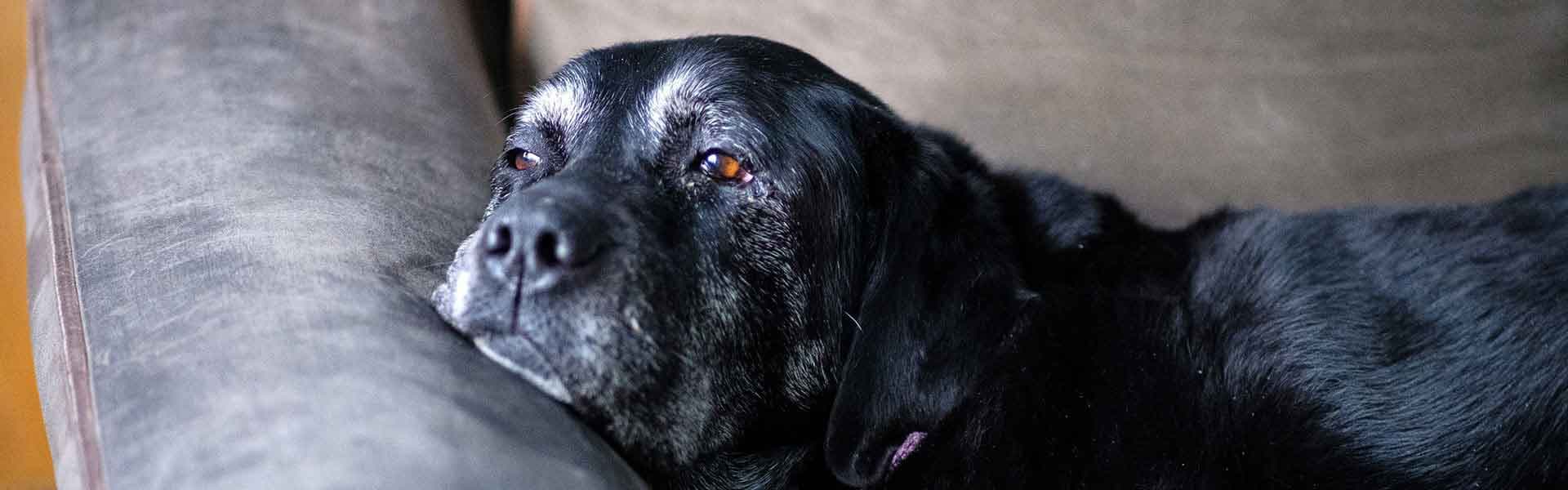
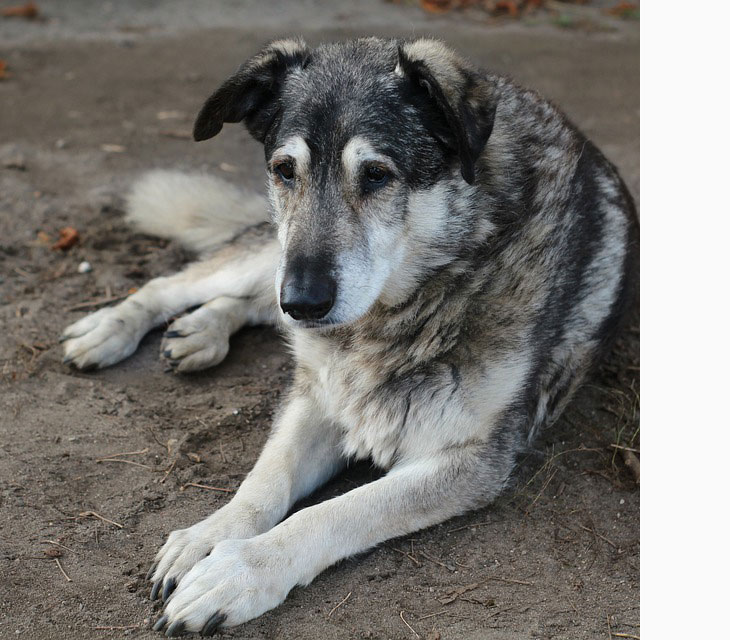
When we take a pet into our home, they become part of our family. And just like any other member of the family, a dog’s needs change as they age. It’s important to be aware of those changing needs and to watch for signs that your senior dog may need a little extra TLC.
Behavioral Changes in Older Dogs
In addition to a graying muzzle, you may notice subtle changes in your dog’s behavior that indicate they are slowing down. Less pep in your pet’s step may be a sign of arthritis. Champ doesn’t respond to verbal commands as he has in the past? Perhaps he has some hearing loss. Tilly won’t fetch the ball anymore? Her eyesight might be failing. If Cocoa shows signs of anxiety and stress — like shaking, pacing, and increased panting or clinginess — she may be developing dementia.
As difficult as it is for us to see our furry friends getting older, it’s hard for them to adjust to these new limitations, too. The good news is, with regular veterinary care and sensitivity to your dog’s changing needs, you may still be able to provide them with years of happiness and love.
Your Senior Dog May Need Special Food
Our pets’ nutritional needs change as they age, as well. Just as older humans tend to gain weight more easily, a dog’s metabolism slows, making it more likely that Rusty will become overweight, which can lead to health issues like diabetes, heart disease, and cancer. Switching to a dog food specifically for senior dogs should provide the nutrients Ginger needs, but it’s also a good idea to talk with your veterinarian about the best diet for your dog.
On the other hand, if your dog shows less enthusiasm for food or is losing weight unexpectedly, ask your veterinarian to rule out any underlying conditions, such as cancer, kidney disease, or dental problems. This may be the time to offer softer canned food or add broth or warm water to entice Fifi to eat.
How To Give Your Aging Dog the Best Life
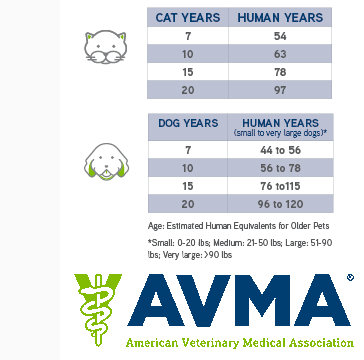 Dogs provide us with so much unconditional love, giving them a little more tender loving care in their golden years is the least we can do to repay them. Here’s a helpful checklist to make sure you’re providing for your senior pet’s needs:
- Be aware of your dog’s life expectancy. Every breed ages differently; for instance, small dogs tend to live longer than large dogs.
- Keep up-to-date with regular visits to the veterinarian. Because of potential health issues for senior dogs, some vets recommend check-ups every six months instead of annually.
- Make sure you’re providing for your older dog’s changing nutritional needs.
- Provide opportunities for regular exercise, but don’t overdo it. Your aging pet may not have the ability to go for a run or walk as far as they once did.
- Offer special accommodations, if needed. Your elderly dog may not be able to handle stairs or jump up on the bed like they used to. Provide a bed, food, and water within easy reach. Install a ramp or use a gate to restrict access to stairs, if necessary.
- Watch for signs of confusion or disorientation. These may indicate canine cognitive dysfunction (CCD), otherwise known as doggie dementia. Give your older pet extra attention, and talk to your veterinarian about medication and other treatments.
Helpful Resources
Understanding what to look for and how to adjust routines for your older pet can help them make the most of their senior years. But be aware that older pets can be prone to health issues. If emergency medical needs should arise, Waggle can provide a lifeline. It is our mission to be a safety net for those in need when emergency veterinary costs pop up. With the help of generous donors, pet welfare sponsors, and dedicated animal welfare partners, we’ve helped raise funds for thousands of pet families so they could cover the cost of unexpected veterinary bills. If you’d like to get involved and change the life of pets in need, please take just a few minutes to learn more and see how you can donate to at-risk pets today!