
Pet Guardians
Waggle Wellness: Feeding Your Cat
Knowing what to feed your cat can be just as important as how much you’re feeding him. With endless varieties of pet foods on the market, it can feel overwhelming to try and figure out what’s best for your pet.

What Kind of Diet Is Best for Cats?
By Stacy Bridavsky, executive director, Lil BUB's Big FUND
For many of us, our pets aren’t just our companions, they’re part of our family. To live a long and healthy life, your cat needs proper nutrition. Knowing what to feed your cat can be just as important as how much you’re feeding him. With endless varieties of pet foods on the market, it can feel overwhelming to try and figure out what’s best for your pet.
Cats are carnivores, and their diet requires necessary nutrients inherently found in animal products. In general, try to choose a cat food with high protein, moderate fats, and minimal carbohydrates. Feeding your cat the right food and the proper amount is key to wellness and preventive care, which will help Piper look and feel his best.
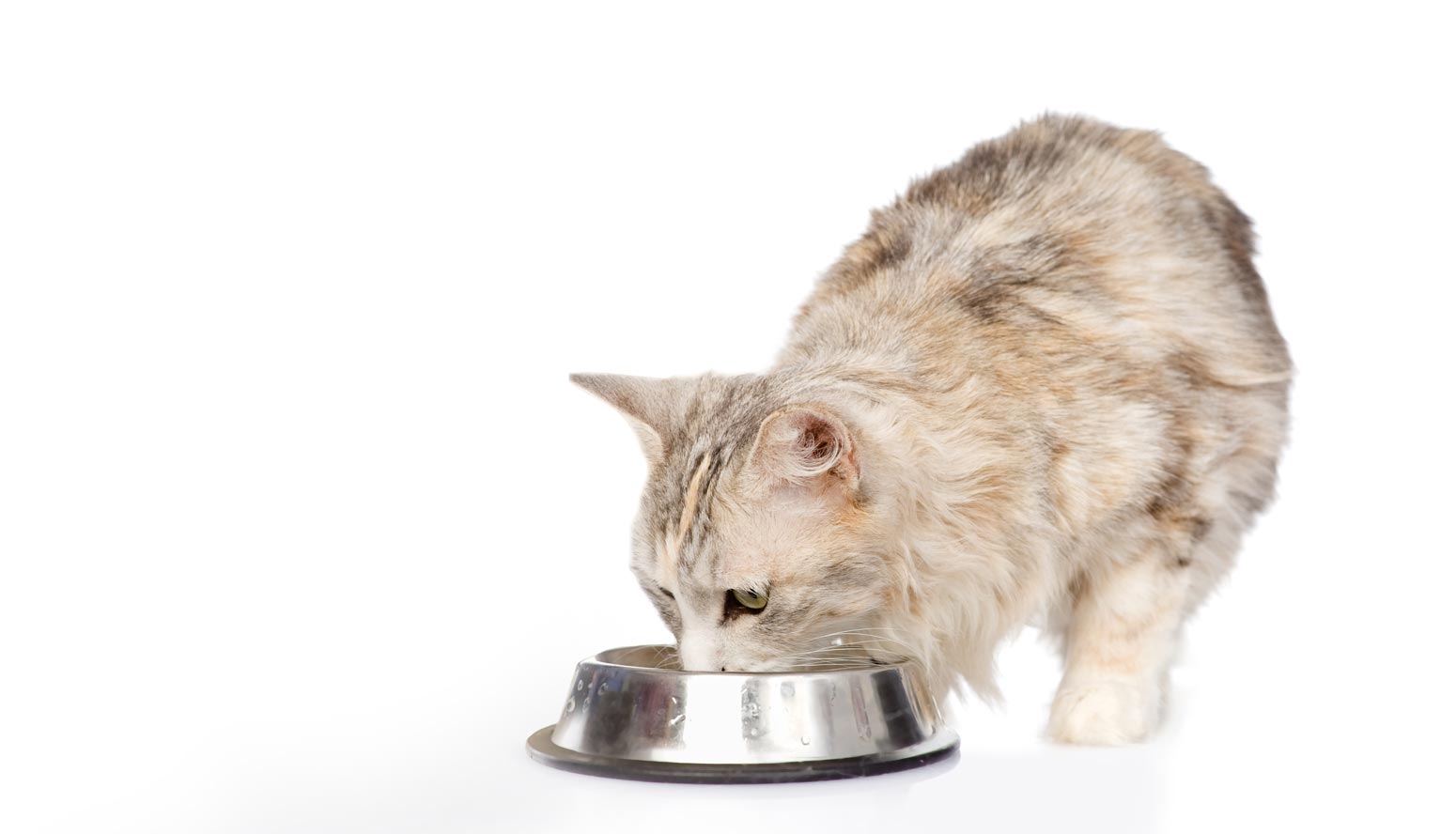
What Should I Feed My Cat on a Daily Basis?
There are a few key factors to consider when determining what to feed your cat. It’s always a good idea to consult with your veterinarian, who knows your cat’s unique needs best, especially if your pet has any underlying health conditions that may require a specialized or prescription diet. Below are a few general guidelines to help you determine what is best for your pet:
Size: Larger breeds, like Norwegian Forest or Maine Coon cats, may require a bit more food. Take into consideration your cat’s unique size when determining food portions.
Age: Kittens grow rapidly, and within the first 10 months of life, they have greater nutritional and developmental needs. A kitten’s diet won’t be the same as that of an adult cat. Since a kitten’s needs are different from those of an adult cat, for the purpose of this article we will discuss nutritional needs of adult cats, meaning those older than 10 months. Senior cats may also require different nutrition based on their unique health issues, but a general rule of thumb is that the diet for your senior cat can be very similar to that of a healthy adult cat.
Activity Level: Some cats are really active and get lots of playtime, while others are fairly sedentary, preferring to nap and rest. A cat’s metabolic rate and lifestyle should be taken into consideration when determining portion size.
Reproductive Health: It is always important to spay and neuter your pet. Spaying and neutering decreases the amount of calories your furry family member needs.
Underlying Health Conditions: Some pets may have underlying health conditions that will, in part, determine what food is best for them. For example, our cat, Lil BUB, needed a prescription diet to help maintain her urinary and kidney health. For BUB, it was important that she eat food with restricted amounts of minerals to keep her urinary health in balance. Certain cat foods can also help to slow kidney disease. Your pet’s health may change over time, which is why it’s always important to regularly consult with your veterinarian.
I

s Wet or Dry Food Better?
One common dilemma is whether to feed your cat wet or dry food. Wet food can be a great fit for your cat. The higher water content in wet foods can help with overall urinary tract health and preventing obesity. If you choose to feed your pet wet food, be sure to choose a high-quality product, which generally means it is higher in protein and lower in carbohydrates.
Dry food generally has a lower cost than wet food and can be left out at room temperature a bit longer, which can make it a better fit for certain schedules and lifestyles. If dry food is what you’ve chosen, be sure your cat has access to plenty of water, and again, always choose a quality food higher in protein.
Some people choose to mix dry food and wet food, or feed one kind in the morning and the other at suppertime, which is fine, as long as you are offering the right amount of calories your cat needs each day.
How Much and How Often Should I Feed My Cat?
After you’ve taken into consideration all of your pet’s needs, you’re ready to determine how much food should be given daily. Manufacturers must list the caloric content on their labels. A kcal is the same as a calorie, and you’ll often see your pet’s food listed as kcal/kg, kcal/cup or kcal/can (if you’re using wet food).
Once you’ve decided on the right food for your pet, divide the caloric needs (kcal/day) by the food’s caloric content (kcal/can or cup). That will let you know how much food to feed your cat per day. Then, to figure out how much food to feed your cat at each meal, simply divide the daily amount of food by the number of meals you offer each day. Two meals a day is a good rule of thumb, but if you work long hours away from home or aren’t able to put food out regularly, an automatic pet feeder may be helpful.
Keep in mind that decreasing the number of calories your pet eats will help a "chubby" cat lose weight, while providing extra calories encourages — and usually results in — weight gain. Helping your cat maintain a healthy body weight is an essential part of promoting wellness.
There are health conditions that may cause an animal to lose or gain weight. If you notice your cat’s weight or appearance changing, especially dramatically, it’s a good idea to check in with your veterinarian.
What Should I Avoid Feeding My Cat?

Remember to keep any foods that may be harmful or poisonous out of your pet’s reach. These include:
Alcohol
Chocolate or caffeine
Dairy products
Fat trimmings and bones
Grapes and raisins
Onions, garlic, and chives
Raw meat, fish, or eggs
Raw yeast dough
It can be tempting to want to pamper Fluffy by offering table scraps, but the best food for your pet is a diet designed for your pet — and one that will provide for good health and wellness.
When Emergencies Happen: What to Do If My Cat Eats Something Harmful
We all know that accidents happen, and sometimes our pets get into things they shouldn’t. If your cat has ingested something toxic or obstructive or is showing signs of gastric upset, it’s best to consult a veterinarian right away. If you find yourself in an emergency situation, and you’re facing unexpected veterinary bills, Waggle is here to help. We have a list of resources and organizations you can turn to for help with vet bills that just aren’t in the budget.
Waggle also offers a safety net in the form of crowdfunding campaigns for those who are unable to meet their pet’s emergency expenses. Posting a campaign on Waggle is simple, with easy-to-follow instructions on the site.
Or perhaps you’d like to help a pet in need by donating to one of the many campaigns at Waggle.org. In addition, contributions to Waggle’s FurEver Fund can help many animals featured on this site. Waggle verifies that the pet is in need of treatment and pays funds directly to the animal hospital for the security of all donations.
Shop Healthy Treats For Your Pet!
Are you ready to grab some healthy snacks for your kitty? Then head over to the Waggle Shop for a selection of high-quality, healthy treats to share with your feline friend. When you purchase everyday pet supplies for your pets through the Waggle Shop, you give back to pets in need! 15% of every purchase is automatically sent to the Waggle Foundation, which helps fund life-saving veterinary treatment for pets that might otherwise be euthanized. Shop where you know your purchase will make a meaningful difference!
Author Bio
Stacy Bridavsky is executive director of Lil BUB's Big FUND, a national animal welfare nonprofit. With a focus on animals who are the most difficult to adopt, the most expensive to care for, and at a high risk of euthanasia, Lil BUB’s Big Fund provides grants to shelters nationwide and partners with shelters to create special needs foster program initiatives. Through her work, Stacy shares BUB’s message of overcoming adversity and the knowledge that the things that make us different are worthy of being seen and appreciated.
Looking for information on feeding your dog? Check out this helpful guide.