
Pet Guardians
Waggle Wellness: Feeding Your Dog
Trying to figure out what to feed your dog can be a challenge. Between various brands, ingredients, and types of pet food in the market, it can feel overwhelming to try and figure out what’s best for your pet.

What and How Much Should My Dog Eat?
With all the choices in the dog food aisle, deciding on a diet that’s best for your dog can be confusing. How can you determine which food will provide the right balance of nutrients, fiber, and protein that will give your beloved pet the best chance for a long, healthy life?
Fortunately, there are regulations that manufacturers must abide by when making and selling dog food. The Association of American Feed Control Officials (AAFCO) establishes nutrient standards for pet foods sold in the U.S., so look for a statement on the product label that says it meets the nutritional standards established by the AAFCO.
Any dog food you choose should supply a complete and balanced diet for your dog’s breed, lifestyle, age, and health condition. By “complete and balanced,” we mean the food should contain all the nutrients a dog requires, and those nutrients should be in the proper proportions.
Much like humans — but unlike cats — dogs need nutrients from different dietary sources: meat, grains, vegetables, and fruits. Unlike humans, however, dogs don’t need variety in their diet. Once you’ve found a food that meets your dog’s nutritional needs and that your four-legged friend enjoys, you should stick with it — unless your veterinarian recommends a change based on the animal’s age or health status.
At each stage of life, a dog will have different calorie and nutritional needs. These stages are:
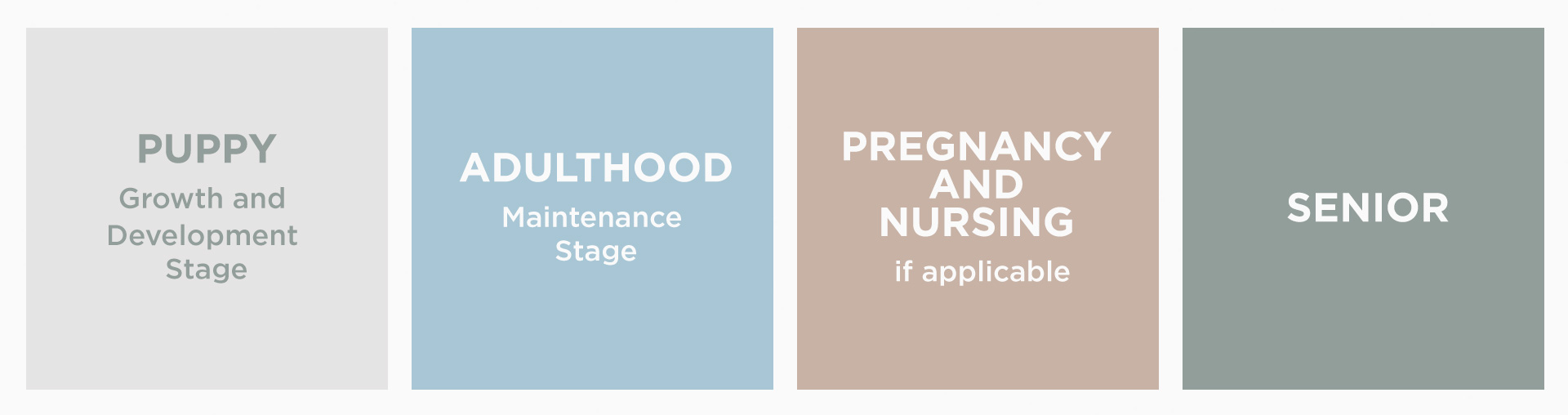
You can find foods specifically formulated for each of these life stages — as well as diets designed for different breeds — in most pet supply stores. Because puppies grow and develop rapidly, they need more calories per pound than adult dogs require. Similarly, food designated for large-breed dogs is different from food targeted for small breeds — and it’s not just the size of the kibble that makes the difference. Large breeds are more susceptible to musculoskeletal issues, so they need a different balance of nutrients. Large-breed puppies, especially, have specific nutritional needs to make sure their bones develop properly.
You could choose a diet that’s formulated for “all life stages,” but if you do, be sure to read the label to determine how much to feed your pet based on both weight and age.
Recognize, also, that the amount listed on dog food packages is only a guide and may need to be adjusted for your dog’s activity level and health conditions. Obviously, a working sled dog and a sedentary lap dog require vastly different diets. Also, some dogs have special dietary needs because of allergies, sensitive stomachs, or health issues. Having your dog weighed and examined regularly by a veterinarian will help you know if your dog is getting the right balance of nutrition and calories.
Dry or Wet Food: Which Is Best?
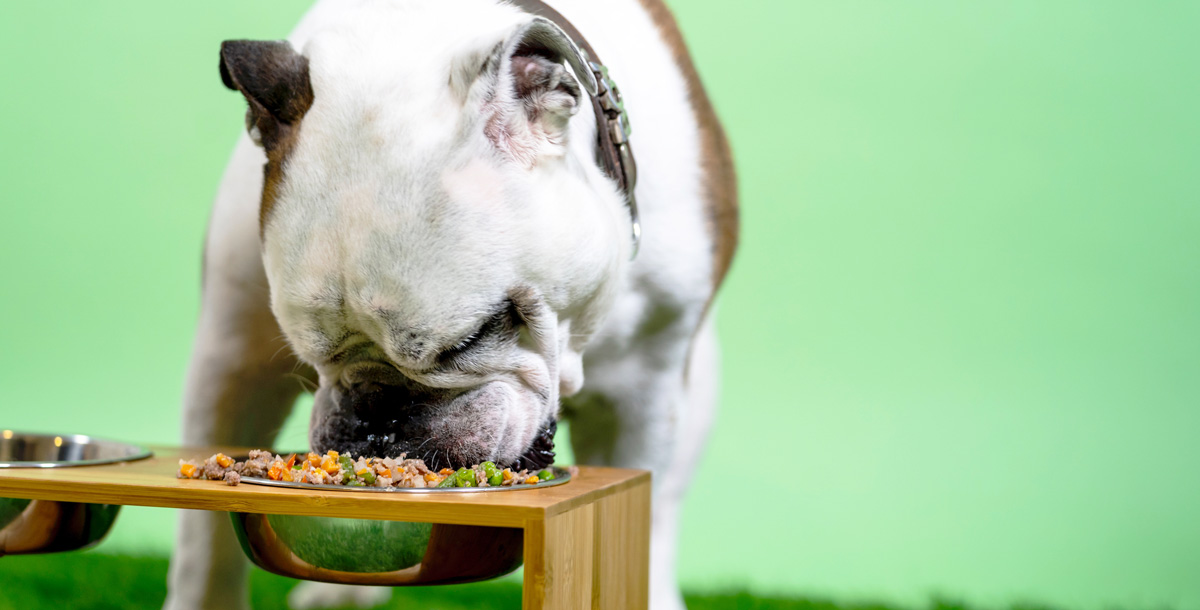
There are pros and cons to both wet and dry food for dogs. Dry food is generally more economical. It does not require refrigeration, so if Gigi is a grazer, you can measure her daily portion of food into her bowl and offer it at certain times throughout the day. Dry food — or kibble — also comes in different shapes and sizes, so you can choose one according to your dog’s preferences. Dry kibble may also promote periodontal health by helping to control tartar buildup on your dog’s teeth, although there is no substitute for regular brushing and professional dental cleaning.
Wet food, on the other hand, may taste better to your dog. For dogs who love to eat, canned food’s higher water content allows them to have larger daily portions without increasing calories. While canned food will keep for a long time before it’s opened, once opened, any leftover food must be refrigerated and used within a day or two.
Some pet guardians find a combination of wet and dry food to be the best option for their dogs. But this means working out how much of each Farley will need to meet his nutritional needs and to maintain a healthy weight.
How Often Should I Feed My Dog?
It’s best to feed your dog twice a day, about 12 hours apart. Not only does a regular feeding schedule help train young dogs, since puppies normally need to relieve themselves 10-15 minutes after eating, it also provides a predictable schedule for adult dogs, giving them stability when there are other changes going on, like vacations, new babies, or household members moving away.
What Foods Are Dangerous For My Dog?

Some human foods are toxic to dogs, so beware of offering table scraps to your pet, especially if they contain the following dangerous substances:
Alcohol
Avocado
Caffeine (including energy drinks, coffee grounds, and tea leaves)
Chocolate (or any other candy)
Citrus fruits
Cooked bones (which can splinter and become choking hazards)
Dairy products
Fat trimmings
Fruit pits (like peach, plum, and cherry seeds)
Grapes or raisins
Macadamia nuts (as well as other tree nuts)
Onions, garlic, and chives
Raw fish, meat, or eggs
Salty foods
Sugary, high-fat sweets
Xylitol (a sweetener found in some candies, toothpaste, and even baked goods)
Yeast dough
And above all, never give your dog medicine that’s meant for people without your veterinarian’s OK.
What About Treats?
Treats come in handy for training your dog. And besides, who doesn’t like to spoil their furry friend with special treats once in a while? Here are a few guidelines on how to use treats wisely:
If you’re going to treat your dog, make sure those treats make up less than 10 percent of the animal’s daily calories. Fruits and veggies make the healthiest treats, as long as you stay away from the toxic foods mentioned above. Carrots, apples, berries, broccoli, and green beans are all safe bets. You can even offer frozen veggies as a special treat on a hot day.
Another way to treat dogs without adding extra calories is by offering part of their daily diet using food toys. These interactive feeders make a dog work for their food, either by rolling a ball that releases a few bits of kibble at a time or by solving a “puzzle” — searching for food by lifting flaps, pushing buttons, or pulling a rope. These activities take advantage of a dog’s instinct to hunt and sniff out food. Not only do they provide enrichment for your dog’s brain, they also prevent Boots from gobbling his food, so he is less likely to overeat, which can lead to obesity.
Creating a routine for your dog with meals and regular play time with healthy treats will create a special bond between you and your pet that will last a lifetime.
Don't Eat That! What to Do When Emergencies Happen
Anyone with a dog knows that, even with the best diet, our four-legged companions may eat something that causes digestive issues. When unexpected medical bills pile up, Waggle is here to help. We understand what it’s like when your pet needs emergency care and there’s just not enough in the budget to cover it. We have a list of resources and organizations you can turn to for help with unexpected veterinary costs.
Waggle also offers a safety net in the form of crowdfunding campaigns for those who are unable to meet their pet’s emergency expenses. Posting a campaign on Waggle is simple, with easy-to-follow instructions on the site. We also help pet guardians by working with our blog partners to bolster campaigns with additional visibility to get them fully funded as quickly as possible, and many of our corporate and foundation partners offer matching grants to help campaigns reach goals quickly.
Or perhaps you’d like to help a pet in need by donating to one of the many campaigns at Waggle.org. In addition, contributions to our FurEver Fund can help many animals featured on our site. Waggle verifies that the pet is in need of treatment and pays funds directly to the animal hospital, providing complete transparency and security.
Helpful Resources
Shop Healthy Treats For Your Pet!
Are you ready to grab some healthy snacks for your pup? Then head over to the Waggle Shop for a selection of high-quality, healthy treats to share with your pooch. When you purchase everyday pet supplies for your pets through the Waggle Shop, you give back to pets in need! 15% of every purchase is automatically sent to the Waggle Foundation, which helps fund life-saving veterinary treatment for pets that might otherwise be euthanized. Shop where you know your purchase will make a meaningful difference!