
Pet Guardians
Health Issues in Senior Dogs
We all deal with more health issues as we get older. It’s no different for dogs, except for the fact that they rely on us for their care and nutrition. While different breeds “age” at different rates, and genetics and environmental factors also play a role, a dog is considered ...

We all deal with more health issues as we get older. It’s no different for dogs, except for the fact that they rely on us for their care and nutrition.
While different breeds “age” at different rates — and genetics and environmental factors also play a role — a dog is considered “senior” at around five to seven years old. But that doesn’t mean Copper is ready to be put out to puppy pasture. With the proper diet and good care, your dog and you should have many years of companionship left.
What Are Common Illnesses in Older Dogs?

Senior dogs are prone to some of the same ailments as older humans, including:
Vision/hearing loss
Arthritis/joint problems
Diabetes
Weight gain
Gum disease/dental problems
Heart disease
Kidney/urinary tract disease
Liver disease
Dementia/cognitive dysfunction
Cancer
Arthritis causes inflammation, stiffness and joint pain. You may notice your dog limping, having difficulty standing, or avoiding stairs. A dog might lick or chew the affected joint or exhibit pain when picked up. Consult your veterinarian about treatment, as well as changes you may need to make in your dog's diet and exercise routine.
Some dog breeds are more prone to diabetes than others. Symptoms include excessive thirst, more frequent urination, increased appetite, and weight loss. Diabetes can usually be controlled by diet, exercise, and regular injections of insulin.
Tender, swollen, or bleeding gums are signs of gum disease, or gingivitis. Serious infection, called periodontitis, can spread to the bloodstream and cause organ damage or bone loss. As any dentist will tell you, an ounce of dental health prevention is worth a pound of cure, so be sure to maintain your dog’s oral hygiene.

Dementia in dogs is called canine cognitive dysfunction (CCD). It affects up to 35% of dogs over 8 years old. Some signs to watch for include aimless wandering or pacing, staring into space, changes in the sleep/wake cycle, anxiety, and decreased interaction with people or other animals. Similar to early-stage Alzheimer’s disease in people, there is no cure for CCD, but early diagnosis and treatment can slow its progression.
Cancer is the leading cause of death in older dogs. Symptoms include unexplained swelling, pain, or lameness; difficulty breathing or eating; lumps, bumps, or skin discoloration; sores that heal slowly; bleeding from the mouth, nose, or ears; difficulty eating; persistent vomiting, diarrhea, or constipation; sudden weight changes; and blood or mucous in the stool. Although a diagnosis would need to be confirmed by biopsy, cancer can often be detected by X-rays, physical appearance of tumors, or blood tests.
Keeping up with regular medical check-ups is even more important as your dog ages. Some veterinarians recommend increasing well-care visits to twice a year. The cost of caring for an older dog can get pricey, but Waggle is here to help. Whether your dog is experiencing a health emergency or has a chronic condition that must be managed with medication, if you find yourself in a financial bind, consider reaching out to the Waggle community by creating a crowdfunding campaign for emergency vet bills. You’ll find many like-minded animal lovers are eager to help pet owners who need assistance with their veterinary bills.
Or maybe you’re in a position to help someone else with a pet in need. Consider donating to one of our crowdfunding campaigns to help a specific pet, or contribute to Waggle’s FurEver Fund, which enables us to help many other pets. You can also support pets in need when you purchase everyday pet supplies at the Waggle Shop. 15% of every purchase automatically goes to the Waggle Foundation, which helps fund life-saving veterinary treatment for pets that might otherwise be euthanized.
Changing Nutritional Needs in Older Dogs
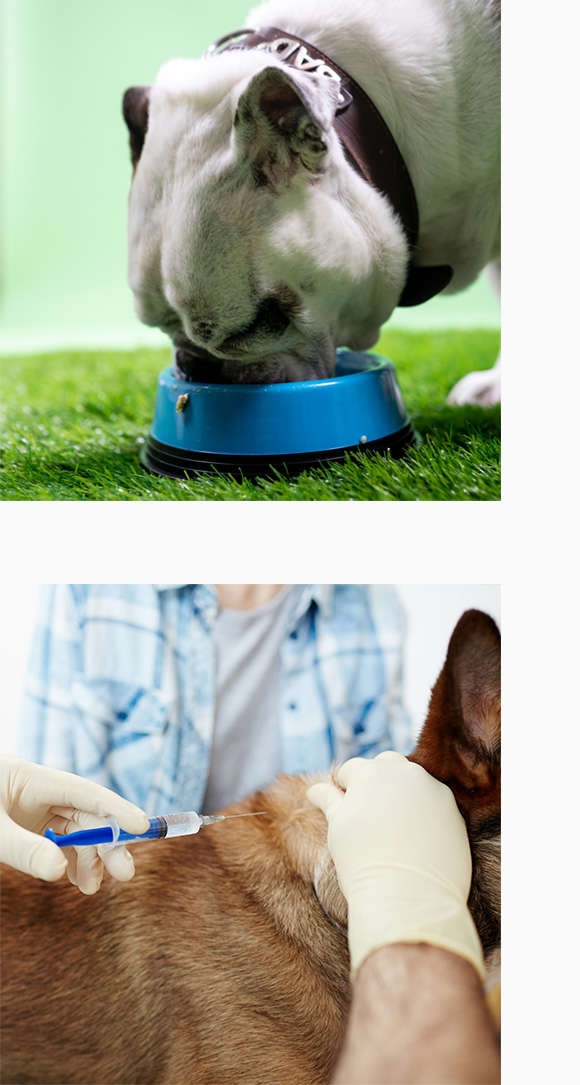
Just like humans, a dog’s metabolism slows as they get older, which can lead to weight gain and obesity. Switching to a dog food designed for senior dogs can help to assure they get the nutrition they need for their changing bodies. There are also special diets for specific health needs, like diabetes, kidney failure, or liver disease. Talk to your veterinarian about what dog food is best for your elderly pet.
Do Senior Dogs Need to Stay Up-to-Date on Vaccines?
Veterinarians differ on whether senior dogs need to remain on the same vaccine schedule as younger dogs. Some vaccines — such as rabies, distemper, and parvovirus — are essential. Others may be recommended, depending on your geographic location and your dog’s lifestyle. As dogs age, their immune systems get weaker, making them more susceptible to some diseases. Titer testing can help determine if your older dog needs booster vaccines. Ultimately, it’s a discussion you should have with your veterinarian to determine what’s right for your dog.
Keeping Your Senior Dog Healthy and Happy
Our pets give us so much love and companionship, we want to keep them with us for as long as possible. To help ensure a long and happy life for your pet, maintain a healthy lifestyle for your senior dog while making adjustments for their changing needs. Make sure your older dog has regular health care visits, is up-to-date with recommended vaccines, and has an age-appropriate diet.
Helpful Resources
General senior pet care:
Vaccinations for older pets:
Nutrition for senior dogs: