
Pet Guardians
Caring For Old Dogs To Keep Them Healthy and Happy
Our elderly dogs require extra care to stay healthy, happy, and have a quality of life. It's worth it because they've been devoted companions throughout our lives. We can keep our aging pets healthy and happy with a few easy lifestyle adjustments.
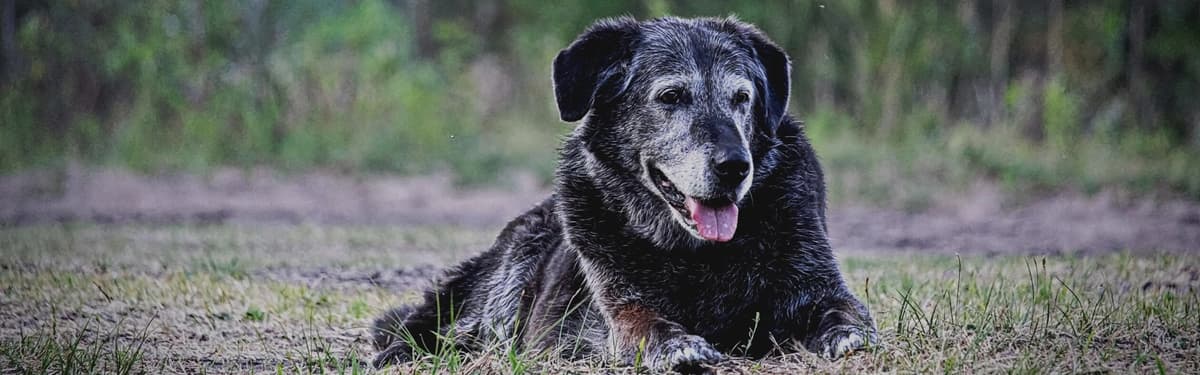
Just because your dog is getting up there in age doesn't mean they can't still enjoy a happy and healthy life. You can do a few things as their owner to ensure they stay comfortable as they age. In this blog post, we will explore some of the ways you can keep your old dog healthy and happy. From food puzzles to supplements and more, read on to learn how you can help your furry friend enjoy their golden stage of life.
When Can I Consider My Dog Old?
This is a question that many people ask as their beloved furry friends begin to gray around the muzzle and slow down a bit. Unfortunately, there is no one-size-fits-all answer, as each dog ages differently. However, some common signs and body conditions can help you determine when your dog could be considered a senior.
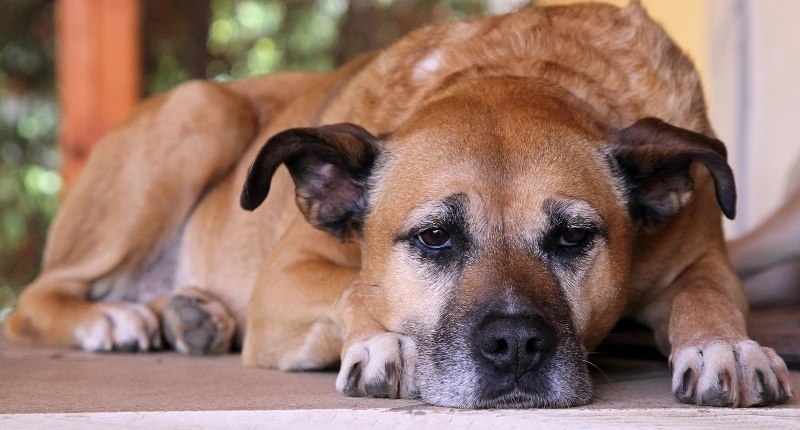
First, take a look at your dog's lifestyle. If they are sedentary, sleeping more than usual, and don't seem interested in playing or going for walks, this could signify that your dog is feeling the effects of old age. Changes in appetite or weight loss can also be subtle signs that your pet isn't feeling well.
If you notice any of these changes, you should take your dog to the vet for advice. Your veterinarian can give you a better idea of what's happening, whether your pet is simply experiencing the normal aging process or if there might be an underlying health issue.
Regardless of your dog's age, spending quality time with them is important. They've been by your side through thick and thin - and they deserve our compassion as they enter their golden years.
What Happens During Aging?
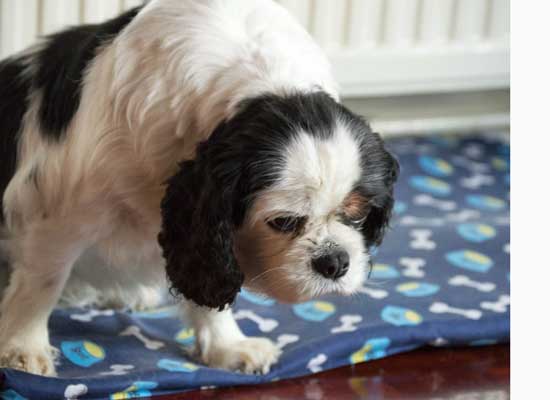 There are a lot of things that happen during aging, and it cannot be easy to keep up with all of them. One of the most common things people notice is that their skin begins to thin and become less elastic due to collagen and elastin in the skin breaking down with old age. The skin also becomes drier and more fragile, leading to wrinkles and other age-related conditions.
Another common issue during aging is that bones start to lose density. This makes them more likely to break or fracture, especially if there is any injury. Muscles also begin to atrophy or shrink, which can lead to weakness and a decrease in mobility. Joint pain may also be present as they become stiffer and less flexible over time.
These health conditions can be challenging to cope with, but they are a natural part of aging. It is vital to be patient and not give yourself a more challenging time for your dog. If you have any age-related health concerns about any changes you are experiencing, be sure to speak with a vet for expert advice.
Ways to Keep Your Old Dog Healthy and Happy
As our pets age, they can sometimes become more cranky, set in their ways, and less tolerant of change. However, it's important to remember that they're still the same dog we've known and loved for years, with different needs and activity levels that should be handled with extra care. So here are some tips on how to keep your old dog happy and healthy.
Keep The Nails Trimmed
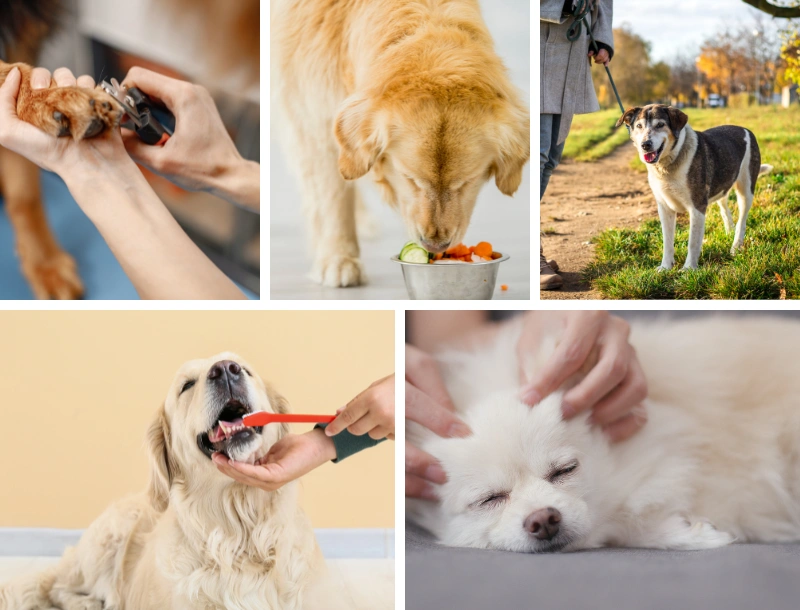
As we reach our senior status, our bodies start to change, and we may not be able to do the things we used to do. Unfortunately, this is also true for our beloved dogs. They may experience vision loss or sore joints as they age, and their nails may grow longer and become more brittle. It's essential to keep an eye on your dog's nails and trim them regularly to prevent pain and injury. If you're unsure how to do this, ask your veterinarian or groomer for help. They can also show you how to properly care for your dog's nails so that you can do it yourself at home.
An Appropriate Healthy Diet
As our furry friends' age, their nutritional needs change. Feed your aging dog foods specifically formulated for senior diets rich in the nutrients they need to stay healthy and active. Older dogs tend to have a decreased appetite and may need a little help getting the nutrition they need.
There are special senior dog foods available that are formulated to meet the needs of older dogs. These foods often contain higher levels of protein and fat to help maintain muscle mass and energy levels. They also typically have lower levels of carbohydrates to help prevent excess weight and maintain the ideal body weight for their age, in which a balanced diet will be a great help.
If your senior dog is not eating as much as it used to, or you are concerned about its weight, talk to your veterinarian and ask for veterinary advice. They can recommend a dietary requirement for an appropriate diet for your older dog based on their individual needs.
For more of our tips on the best nutritional practices for elderly pups, check out our dedicated article on nutrition for dogs!
Regular Walks to Keep Them Active and Help Prevent Obesity
Many people think that once their dog gets old, they don't need to` exercise them as much. Unfortunately, this often leads to obesity in older dogs, which can cause various health problems. As our furry friends' age, it's essential to keep them active and healthy by taking them on regular walks.
Not only does this help prevent obesity, but it also keeps their joints and muscles healthy. It's important to start slowly if your dog is getting older and not as active as it used to be. Let's start with shorter walks around the block and gradually increase the distance as they get used to it again.
Your old dog will love spending time with you and getting some fresh air. So go out there and enjoy a nice walk with your furry friend!
Keep Their Gums and Teeth Healthy
Like humans, older dogs are more susceptible to dental diseases like gum disease and tooth decay. In addition, plaque can build up on their teeth and cause inflammation of the gums. If left untreated, this can lead to infections and even tooth loss.
Brushing your dog's teeth regularly is the best way to prevent these problems. You can use a canine-specific toothpaste or a baking soda paste. Be sure to brush gently, as their gums may be sensitive. You can also give them dental chew toys and treats to help reduce plaque buildup. Plaque buildup can be more prevalent with certain breeds, such as boxers, collies, bulldogs or giant breeds like great danes or mastiffs.
If you notice that your dog's gums are red or swollen or have trouble eating due to pain in their mouth, take them to the vet for an exam. They may need a professional cleaning or other treatment. Don't wait until it's too late to start taking care of your dog's teeth - they'll thank you for it!
Give Daily Massages
As we get older, our bodies begin to ache and feel stiff. This is especially true for our dogs, who are often not as active as they used to be. A daily massage can help ease their pain and keep them comfortable.
Massaging your dog doesn't have to be a complicated process. First, rub their back and legs in a gentle, circular motion. You can also use your fingertips or a tennis ball to massage your chest and belly. Massages can help increase circulation and relieve any muscle tension your pet may feel.
Don't forget to give your dog's paws some extra love! Their paw pads can become dry and cracked with age, so massaging them with coconut oil can help keep them healthy and hydrated.
Giving your dog a massage is a great way to show them how much you care. It's also an opportunity for you to bond with your furry friend and create even more cherished memories together.
Visit the Veterinarian for Regular Checkups and Preventive Care
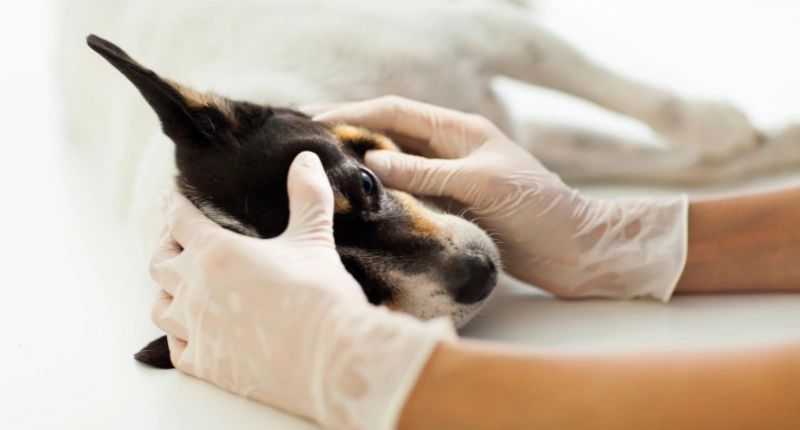
Caring for an older dog can be a challenge. Health-related issues make regular checkups with a veterinarian essential. By doing so, you can help your furry friend stay healthy and active for as long as possible.
Older dogs are more susceptible to health problems, so it's essential to keep an eye on them and take them in for checkups at least once a year. Your vet can help you create a customized care plan based on your dog's needs.
Preventive care is also essential for older dogs—vaccinations, routine dental cleanings, and monthly heartworm and flea/tick treatments. These simple measures can go a long way in keeping your dog healthy and happy.
Talk to your veterinarian if you're unsure how to best care for your older dog. They can help you determine what steps to take to ensure a long, happy life together.
Conclusion
There's no doubt about it; our elderly dogs need a little extra care and attention to keep them healthy, happy and have a quality of life. But it's definitely worth it because they've been such loyal companions throughout our lives. With just a few simple changes to our routine, we can ensure that our old dogs stay healthy and happy for many years. Be sure to read the additional resources on Waggle to discover more ways in which you can help your senior dog.