
Donors
The Dos and Don’ts of Feeding Your Pet Human Food
We share everything with our furry friends—walks in the park, snuggles on the couch—but sharing food should always be done with extreme caution. StudyFinds discovered that 22% of the 2,000 respondents surveyed said they share dinner with their pets. While it's true our pets often feel like another member of ...
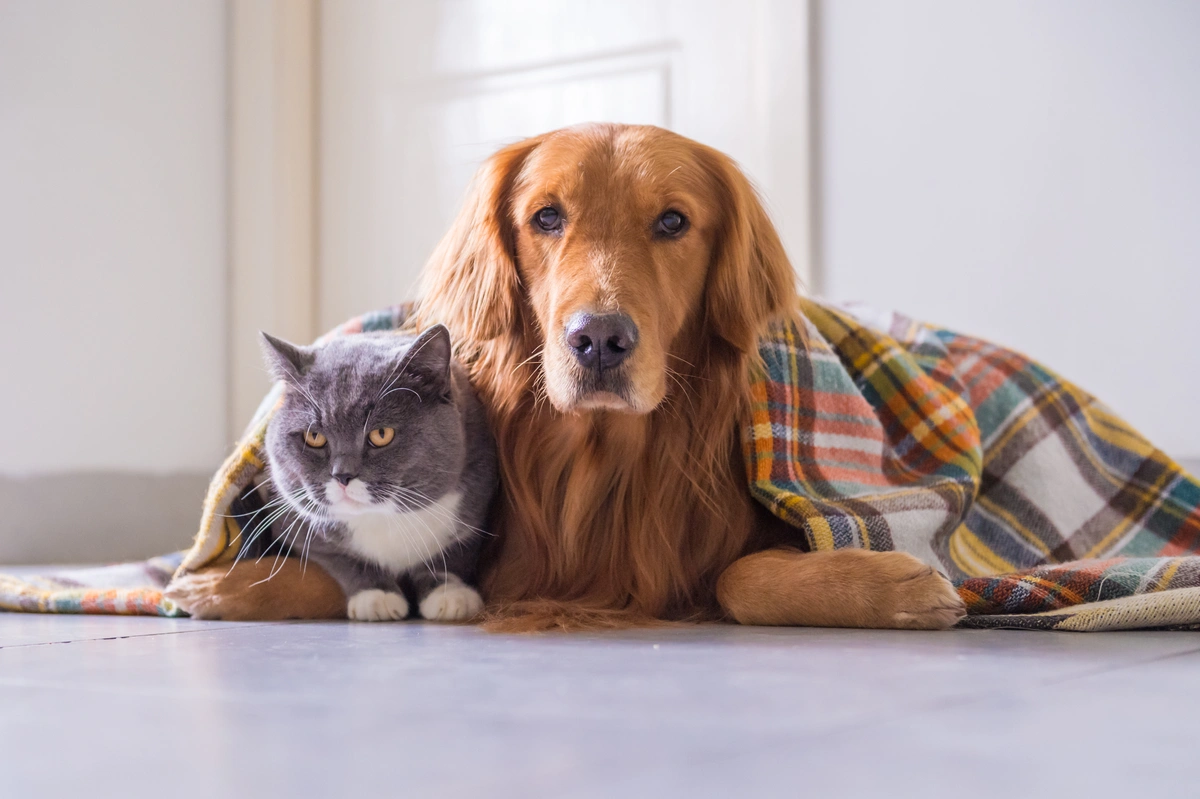
We share everything with our furry friends—walks in the park, snuggles on the couch—but sharing food should always be done with extreme caution. According to a StudyFinds survey with 2,000 respondents, 22% of pet guardians share their dinner with their pets.
Granted, pets feel like family, but it’s essential to remember that dogs and cats have different metabolic needs. Their bodies are not built to digest some of the foods humans have evolved to eat. So, while you may think you’re giving your dog a special treat, you may actually be feeding them something that will lead to an upset stomach later—or worse.
Before you share your next meal with your pet, make sure you know the dos and don’ts of feeding your pet human food, including which foods to avoid and how to create a safe and healthy diet that will keep your pet active and energized for years to come.
Why can’t pets eat human food?
Simply put, we have unique nutritional needs.
Dogs require different levels of certain vitamins, minerals, and amino acids. For example, they need higher levels of taurine to support healthy eyes, muscle function, and cardiovascular support. Like humans, dogs are omnivores, eating a combination of vegetables and meat. But cats are strictly carnivores, requiring a meat-heavy diet. Though you may know what a healthy meal consists of for a human being, it’s unlikely this meal will provide your pet with the same level of nutrition.
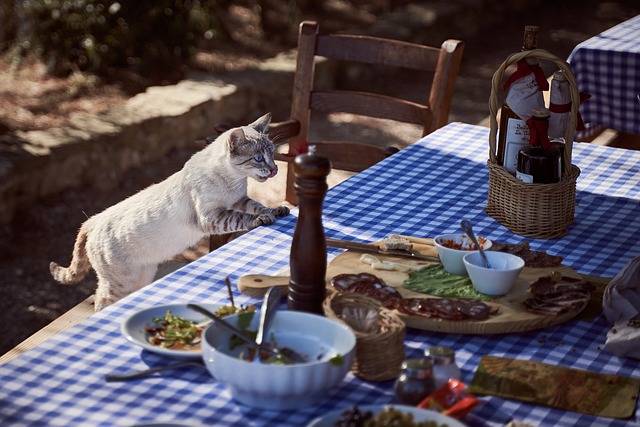 Because human bodies metabolize food differently than dogs and cats, many human foods can be toxic to pets. Most people know chocolate is dangerous for cats and dogs, and small dogs are particularly susceptible because even a little can poison them.
If your pet eats something they’re not supposed to, follow these first aid tips for emergency pet care and immediately call your vet or a pet poison control center.
In addition to the potential dangers of animals consuming human foods, pets regularly consuming a human diet can develop obesity, digestive issues, and other long-term health impacts.
The dos: How to safely share food with pets
Foods created for dogs and cats should be their primary source of nutrition, but it is possible to give your pet moderate amounts of safe human foods that can be nutritious and delicious for them. However, knowing which foods are safe and how to control portions and frequency is important. Safe human foods, such as unsweetened canned pumpkin or carrots, can offer health benefits but should be given in small amounts.
Human foods safe for pets
Small portions of plain cooked meats, including chicken, turkey, and salmon, that have not been seasoned or topped with sauce and do not contain bones are safe for dogs and cats. Some vegetables provide fiber and vitamins, including carrots, green beans, and pumpkin, while certain fruits like blueberries, apples, and bananas offer antioxidants. For dogs with sensitive stomachs, plain, unseasoned rice or oatmeal are good options.
Here are some other common human foods safe for pet consumption:
- Carrots
- Apples
- Pumpkin (cooked, unsweetened)
- Cooked fish (ensure all bones are removed)
- Unseasoned cooked meat (all bones removed)
- Bananas
- Green beans
Tips when sharing food with pets
Introduce small portions of safe foods
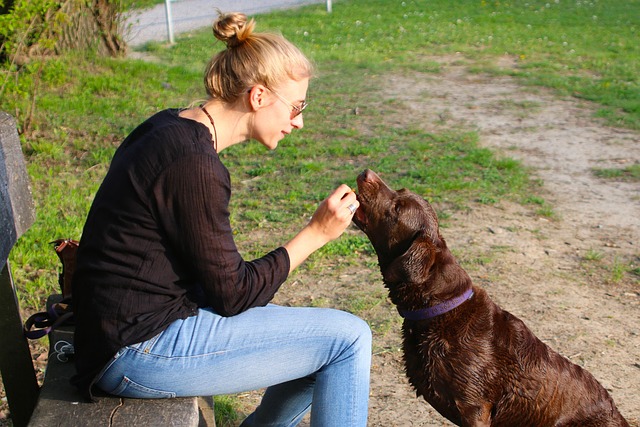 Moderation is essential when it comes to feeding your pet human food. After you’ve ensured that the food is safe for your pet’s consumption, consider their size and daily food portion. Avoid overfeeding pets to help them maintain a healthy weight and lifestyle. Human food should be given as a small snack or treat, not a full-sized meal. If you are introducing a new food, do so gradually in small amounts to ensure it doesn’t cause digestive problems or allergic reactions. If your pet has a bad reaction to safe food, call your vet or emergency pet clinic immediately in case they are experiencing an allergic reaction.
Give safe foods as treats or rewards
Think of them as occasional treats or training rewards. Small cubes of cooked sweet potato without seasonings provide a nutritious treat that adds some variety to your pet’s diet and encourages them during training sessions. Always consider these extra calories to prevent overfeeding, especially for smaller pets.
Talk to your vet
Every pet has their own dietary needs, and like humans, some may have food sensitivities or conditions requiring strict dietary restrictions. Your vet can guide you to make safe dietary choices for your pet based on their health and nutritional needs.
Some pets may also be lactose intolerant, leading to digestive problems caused by dairy products. Many people think cow’s milk is an appropriate treat for cats, but most cats are lactose intolerant. If your cat expresses an interest in milk, try giving them lactose-free milk available at pet stores.
The don’ts: Foods to avoid feeding your pet
Feeding toxic foods to pets has short-term effects and long-term implications. Greasy or fatty human foods, like bacon or fried foods, can lead to obesity, diabetes, or pancreatitis, a painful and potentially life-threatening condition.
A balanced diet focused on your pet’s specific nutritional needs is essential to your pet’s health. Occasional safe human foods as treats can be integrated into their diet, but always check that the food you’re providing is safe.
Here are some of the most common foods that are toxic and/or dangerous to dogs and cats:
- Chocolate
- Coffee
- Caffeine
- Alcohol
- Avocados
- Citrus
- Grapes and raisins
- Onion
- Garlic
- Chives
- Dairy products
- Raw meat and eats
- Left-over bones (can easily become choking hazards)
- Excessive salt
- Fatty foods
- Sugar
- Seasoned foods
- Artificial sweeteners (specifically xylitol, which can cause serious conditions, including seizures, comas, and liver failure)
Some foods are more toxic to pets than others, but overall these items should always be avoided. If your pet does ingest any of these toxic foods, call your veterinarian, an emergency pet clinic, or an animal poison control center, such as the Pet Poison Hotline or the ASPCA Poison Control Center.
What to do if your pet eats a toxic food
Always check the toxicity of a food before feeding it to your pet, and do your best to keep dangerous food stored away safely. Of course, accidents do happen, and pets do somehow manage to get into items they’re not supposed to from time to time. If your pet eats something toxic, follow these steps:
- Look for signs of distress, such as vomiting, diarrhea, and lethargy.
- Call your vet or emergency clinic immediately. Provide as much information as possible about what they ate, how much they ate, and what signs they’re exhibiting.
- If you can still see the food, try to remove it from their mouth.
- Take them to the vet or emergency clinic as soon as possible.
While some toxic foods may just give them an upset stomach for a few hours, others can be deadly. Calling your veterinarian or poison control center right away is essential in determining the best next steps to take. And try to remain calm to prevent your pet from becoming nervous and enable you to make sound decisions about next steps.
If your pet does experience a serious condition due to food poisoning, you could quickly end up with costly vet bills. That's why pet insurance is always a smart idea. It prepares you financially for the unexpected. That said, if you're uninsured and find yourself in a predicament, there are veterinary bill assistance programs that may be able to help. You can also take matters into your own hands and create a fundraising campaign to raise money for your pet's veterinary treatment.
Provide pets with safe, healthy diets
In summary, healthy foods are essential to a pet’s well-being. Maintaining a nutritious, balanced diet supports overall health and can reduce the chances of chronic health issues. However, safe human foods can add variety to your pet’s diet and act as a reward, particularly while training. If you want to add some human foods to your pet’s diet, first consult your vet and other pet resources to verify their safety. Also, consider any medical conditions or allergies your pet may have that could impact their reaction to certain human foods.