
Donors
How to Create a Pet-Friendly Home
Pets are part of the family! Here, we explore ways you can transform your home into a cozy, safe, and comfortable place for your furry family members.

Building a bond with a pet can bring much joy into your life and home. Providing your pet with a safe home that prioritizes their safety, comfort, and health is essential to properly caring for your pet. Different animals have different dietary, physical, and intellectual needs. Dogs and cats are the most common household pets and can live together harmoniously but also have varied needs.
In this guide, we’ll explore how factors such as personality, species, and breed impact your pet’s needs and preferences, and how you can transform your home into a cozy, comfortable living space for your furry friends.
Designing a Safe and Comfortable Space
1. Pet Proof Your Home
Before bringing a new pet home or before letting them roam freely, it’s essential to pet-proof some potentially dangerous aspects. Though harmless to humans, many household plants are toxic to cats and dogs. When ingested, these plants can cause mild symptoms like an upset stomach, diarrhea, or life-threatening complications. Inventory any plants you have and research their toxicity to animals. If you have toxic plants, consider removing them or placing them somewhere securely out of your pet’s reach.
Check your home for any other potential dangers or nuisances such as exposed wires or cables, small objects, shoes, or trash cans. Some pets are prone to chewing cables and shoes, which could harm them and damage items. Small objects can be swallowed and lead to choking. Trash cans may be knocked over, causing a mess and potentially enticing your pet to eat food or trash that is unhealthy or dangerous.
Many people install baby gates to prevent pets from accessing certain areas. If your pet is prone to breaking into cabinets to sneak food, you can limit access with child-proof latches or other locks.
2. Select Pet-Safe Furniture
Scratches, stains, and shedding are inevitable aspects of pet ownership. Take this into consideration when it comes to your furniture, flooring, and other household items. Regular vacuuming can reduce hair left behind from shedding; stain cleaner easily removes stains from furniture and carpets; and providing cats with scratchers discourages furniture destruction.
You can also seek out scratch-resist materials, such as microfiber couch fabrics or scratch-resistant couch covers. Tile, laminate, and luxury vinyl flooring are great options for households with pets because they are easy to clean and less susceptible to damage from pets’ nails.
If you prefer carpet, low-pile carpets and certain materials, such as nylon and wool, are better suited for pets as they are easier to remove hair from and clean up stains or accidents. Carpets made from stain-resistant materials are also available.
3. Create Cozy Sleeping Areas
All animals need their own space to feel happy and safe. Some people restrict pets’ access to certain furniture, such as a leather couch, while others seek pet-friendly materials and furniture. Regardless of whether or not your pet is allowed on the couch, giving them their own cozy areas can help reduce anxiety and increase their sense of comfort and safety.
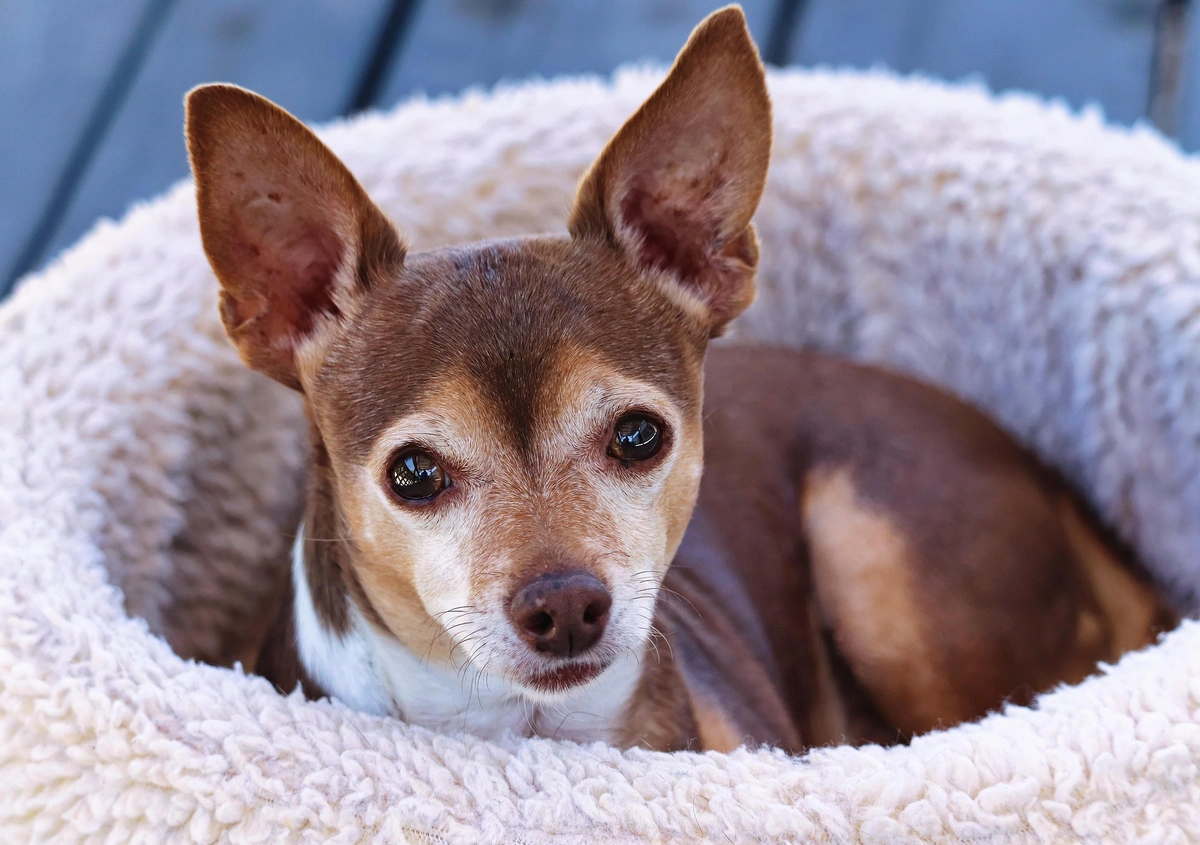
You can incorporate pet-friendly elements into furniture and decor choices with items like built-in pet beds, cat trees, dog-friendly nooks, window hammocks, and more. There are furniture options with hidden storage, which can keep your home looking organized and tidy while providing additional pet supply storage. For cat owners, you can find litter boxes disguised as fake plants for practical yet stylish accessories.
Making Your Home Fun and Engaging for Pets
Encourage Mental Stimulation Through Enrichment
Lack of mental stimulation can lead to boredom, anxiety, stress, and depression in pets. Symptoms of anxiety and stress in pets include uncharacteristically aggressive behavior, excessive grooming, destructive behavior, frequent hiding, and behavioral changes.
It’s essential to your pet’s well-being that you encourage their curiosity and provide interactive playtime. For cats, rotating toys, feeder puzzles, wands, and scratcher toys are just a few of the items that can provide an interactive outlet. Dogs may gravitate more toward chew toys, balls, and treat puzzles.
Provide Outdoor Access for Safe Exploration
Enrichment exercises are far from the only physical activity your pet should receive. Dogs, particularly larger dogs, require a lot of outdoor time and physical activity. Your dog’s level of exercise will depend on its size and breed, but overall, dogs should get plenty of safe outdoor space and exercise.
Cat owners comfortable with letting their pets outside should always ensure vaccinations and parasite protection are up to date. Cats can get outdoor physical exercise independently. However, if your cat is strictly indoors, consider scheduling regular physical activity time. Adult cats typically need about 30 minutes of activity per day, which can be broken into small segments. Kittens have more energy and will want at least an hour of playtime each day.
Create Indoor Spaces to Keep Pets Engaged
Cats’ instincts urge them to climb and scratch. Providing designated scratching posts and toys can satisfy that urge while protecting furniture, door frames, and other parts of your home. You should also consider adding vertical spaces for your cat to allow for climbing. Cats like to reach high places because of a natural desire to survey their environment for possible prey, and they are playful creatures who want to explore. You can install wall mounts to allow for climbing, cat shelves, or window perches.
Dogs are not natural climbers like cats, but they still enjoy a cozy spot with a view. You can provide additional engagement for your dog while inside by setting up a cozy bed area near a window, where they can observe the outdoors.
How to Keep Pets Safe and Healthy
Restrict Access to Dangerous Items
Part of creating a pet-friendly home means protecting pets from potentially dangerous household items. As previously mentioned, some seemingly harmless houseplants can be deadly to pets. Assess any potential dangers in your home, such as toxic plants, dangerous items within a pet’s reach (knives, tools, cleaning products, medications, etc.), and small objects that could be choking hazards.
Create designated spaces for dangerous items to keep them out of your pet’s reach, or implement safety precautions such as locks on cabinets or baby gates to restrict access to dangerous areas.
Store Pet Food Safely
Pets can feel vulnerable or exposed during meal times because their instincts urge them to monitor their surroundings. To help them feel comfortable and safe during meal times, choose a quiet, low-traffic area for their food and water bowls. Ensure they are easily accessible at all times. Regularly wash the bowls and replace the water.
Store pet food in a safe place where your pet cannot easily access it, as overeating can cause vomiting and obesity in the long-term. Carefully stow food in proper containers or sealed bags to prevent it from going bad.
Be aware of human foods that are toxic to dogs and cats, including chocolate, garlic, avocados, and more. Consider this list of dangerous foods for pets before feeding your pet human food.
Keep a First Aid and Emergency Kit Handy
Proactive pet care can reduce the chance of pets developing long-term conditions, but accidents and unexpected health problems can happen at any time. Prepare a first aid kit with emergency supplies and contact information, just in case. With a well-stocked emergency kit, you can respond quickly to minor injuries or illnesses before seeking pet care services from a veterinarian.
What to Include in a Pet First Aid Kit
-
Non-stick bandages and gauze to help stop bleeding and wrap wounds.
-
Hydrogen peroxide or antiseptic wipes to clean wounds and prevent infection. Wipes may be easier to apply to pets.
-
Tweezers and scissors to remove splinters or trim fur around a wound. Use scissors carefully to cut bandages.
-
Digital pet thermometer to check for fevers. Pet temperatures vary, so check with your vet to verify what temperature is normal for your pet.
-
Disposable gloves to protect you and your pet from spreading bacteria and germs when treating injuries.
-
Emergency Contact List, including your vet, a nearby 24-hour emergency pet clinic, and poison control hotlines in case your pet ingests something toxic.
-
Important medical records for quick and easy access in the event you need to bring them to a vet or emergency clinic.
Emergency Preparation
An emergency kit is useful in the event of disasters such as floods, fires, or other large-scale emergency situations. Keep these items ready and easily accessible:
-
At least three days’ worth of pet food and water
-
Extra leash, collar, and ID tags
-
Medications and medical records
-
Travel carrier or crate
When to Seek Veterinary Care
A well-prepared first aid and emergency kit can help you respond more quickly and effectively to an unexpected situation. However, it’s essential to seek veterinary care during serious situations. If your pet is bleeding severely, has difficulty breathing, experiences seizures, or displays signs of extreme pain, contact emergency services immediately and get professional care for your pet. If a serious emergency occurs and you’re concerned about the financial stress of paying for medical procedures, there are organizations that offer assistance with vet bills.
Provide Your Pet With a Safe, Loving Home
Creating warm, comfortable spaces in your home, providing mental and physical stimulation, and preparing for emergency situations are all part of creating a pet-friendly environment. Understanding your pet’s specific personality and interests will also help you provide them with spaces, items, and routines that keep them safe and happy.
Considering your pet's needs helps prevent accidents, supports your pet's mental and physical health, and strengthens your bond. Whether you're preparing your home for a new pet or looking for ways to adjust your current setup, consider the suggestions above to create a more comfortable, safe home for your pet.